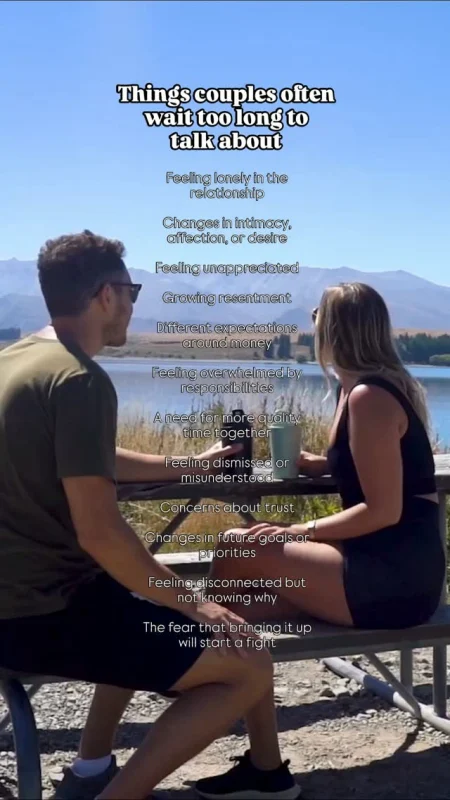







The start of a relationship often feels easy. You enjoy time together. You give each other the benefit of the doubt. Small disagreements do not seem important.
Then suddenly, something shifts. Maybe one of you gets defensive. Maybe someone pulls away. Maybe the tension lasts longer than either of you expected.
It often starts over something small. The reaction feels much bigger. A raised tone or a misunderstanding can leave you questioning the relationship.
I hear this often in sessions with couples. One of them says, “We had our first real fight last week, and I have been anxious since.”
The first fight does not mean the relationship is failing. It marks a shift. The relationship becomes more real.
For many couples, conflict starts feeling emotionally urgent very quickly. In fact, 73% of couples who identify conflict as their main relationship concern say it feels urgent to address.
That urgency often begins after the first major argument, when both people suddenly become more aware of how vulnerable conflict can feel in a relationship.
The first argument shows how each of you handles stress. It sets a pattern for future conflict. What matters most is how you repair after.

- The first fight often marks the shift from the honeymoon phase to a more honest, real version of the relationship
- Early conflict reveals communication habits, attachment patterns, and how emotionally safe the relationship truly feels
- Most first arguments are triggered by unspoken expectations, mismatched needs, or growing vulnerability rather than the surface issue
- Repair matters more than the argument itself, taking responsibility, listening with curiosity, apologizing sincerely, and making small agreements builds trust
- When handled well, the first fight can strengthen emotional safety and set a healthy foundation for how future conflicts are managed
What Your First Fight in a Relationship Can Teach You
The first fight feels intense because it breaks the early stage of the relationship. Before this, both of you try to show your best side. You stay careful. You avoid tension.
A disagreement changes that.
You now see how your partner reacts when hurt or stressed. You also see your own reactions more clearly.
I worked with a couple who argued after she canceled plans with him to help a friend. They stopped talking for two days. In session, he said it felt like she did not care. She said his silence felt like punishment.
The issue seemed simple. The emotional meaning behind it was deeper.
He felt unimportant. She felt shut out.
This is what early fights show you. You learn how each of you reacts. You learn how fast things escalate. You learn how fast you recover.
You also learn about emotional safety.
Emotional safety is the feeling that you can be honest about your emotions without constantly worrying the relationship will fall apart afterward. It is what allows couples to disagree while still feeling connected.
That feeling matters more than many people realize. In fact, based on a 2026 OurRitual survey 60% of people seeking help with conflict and arguments say they rarely feel heard by their partner. Often, the real damage after a fight is not the disagreement itself, but the feeling that your emotions did not fully land with the other person.
What Your First Fight Reveals About Your Dynamic
Your communication habits
During conflict, people fall into patterns they learned early in life.
You might notice patterns.
Do you interrupt each other?
Does one of you need space while the other wants to talk right away?
Does the argument escalate quickly?
These moments can feel frustrating in the moment, but they also tell you something important about how the relationship works under stress.
Your willingness to take responsibility
I pay close attention to this in sessions.
Do both of you take ownership for your part?
Or does the conversation turn into blame?
When both partners take responsibility, tension drops fast.
I worked with a couple stuck in a cycle of blame. I asked each of them one question. “What is your part in this?”
The tone of the session changed right away.
Small ownership creates space for repair.
Your response when you feel hurt
A first fight often brings out attachment patterns.
Some people move closer when stressed. They want to talk right away. Others need space.
If one person pushes for connection and the other pulls away, both feel frustrated.
When you notice this early on, you can talk about it. You can explain what you need before reacting.
Why the First Fight Feels So Emotional
The first fight in a relationship often feels bigger than the issue itself.
Before conflict happens, many couples still feel emotionally “safe” in the honeymoon stage. You assume things are flowing naturally. Then the first argument interrupts that sense of ease.
Suddenly, you may start wondering:
- “What if we’re incompatible?”
- “What if this means the relationship is unhealthy?”
- “What if this is how every disagreement will feel?”
In reality, conflict itself is not usually the problem. The bigger question is whether the relationship can handle repair, accountability, and emotional honesty afterward.What Your First Fight in a Relationship Can Teach You
Common Triggers for the First Fight
Unspoken expectations
In early stages, you form expectations without saying them out loud around things like how often you talk, how you spend time together, and what feels thoughtful.
When those expectations do not match, conflict starts.
Time and prioritization
Early fights often involve time.
A canceled plan or change in schedule can feel personal.
In most cases, the issue is not about care. It is about different expectations around time and communication.
Jealousy and vulnerability
As feelings grow, vulnerability grows too.
Small events can trigger insecurity:
- A comment about an ex
- Time spent with others
- A sudden change in plans
These moments often reflect a need for reassurance.
A Practical 5 Step Guide to Repairing After Your First Fight
What you do after the fight matters most.
- Take time to cool down
You need a calm state to talk clearly. Step away for a short time. Walk, breathe, or sit quietly. When your body is calm, your thinking improves. - Own your part without defending yourself
This does not mean taking all the blame. It means recognizing how your reaction affected the conversation. Even small things, like interrupting, shutting down, or becoming sarcastic, can make conflict feel worse. - Listen to understand
Focus on how your partner felt. Repeat what you heard. This shows you are paying attention and reduces defensiveness. - Give a sincere apology
A clear apology includes three parts. What you did. How does it affect your partner? What will you change? - Agree on one small change
Choose one simple action for next time. This could be taking a break earlier or being clearer about plans. Keep it small and realistic.
Building emotional safety over time
Strong relationships rely on emotional safety.
You build this through small daily actions.
- Checking in after a long day
- Listening without interrupting
- Showing appreciation
- Speaking clearly about needs
These actions build trust over time.
Pay attention to early warning signs.
- Shutting down
- Criticizing your partner instead of the situation
- Using sarcasm to avoid feelings
When you address these early, you prevent long-term damage.
Turning Your First Fight into a Stronger Foundation
Every couple faces conflict. What matters is how you handle it.
The first fight gives you a clear view of your patterns. It shows what needs attention.
If you work through it with honesty and effort, the relationship becomes stronger.
If you ignore it, the same patterns repeat.
Use the first fight as a starting point. Build better communication. Practice repair. Stay aware of your patterns.

.avif)

.avif)
.avif)
.avif)
.avif)
.avif)