


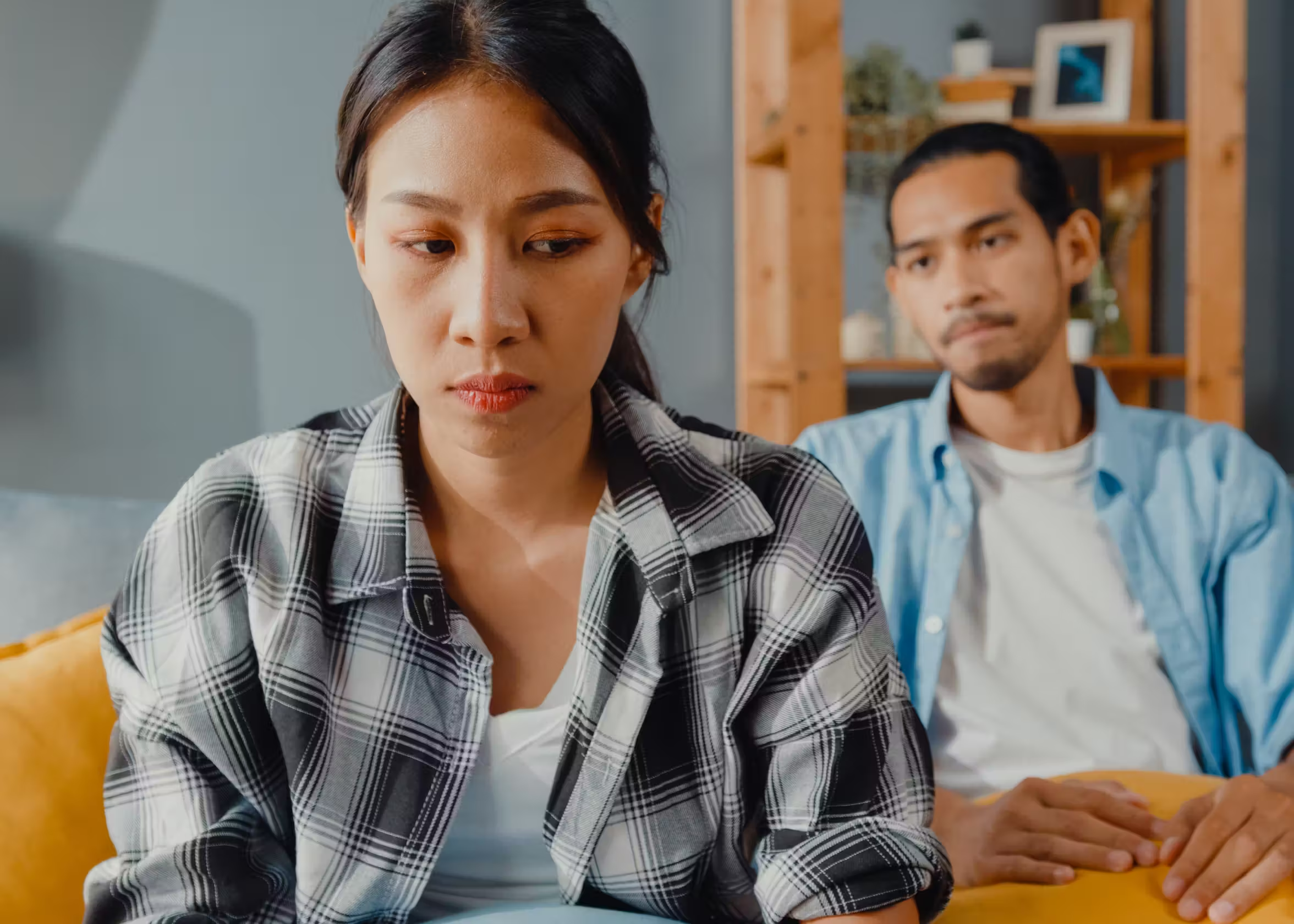
How professional counseling helps couples move forward after cheating
Couples counseling for cheating is a form of relationship therapy that helps partners navigate the emotional impact of infidelity, rebuild communication, and determine how they want to move forward. While discovering a partner has been unfaithful can be deeply painful, many couples seek professional support to better understand what happened and decide what comes next.
For more on this, read our guides on couples counseling after cheating, rebuilding trust after cheating, and trust-building exercises after infidelity.
Infidelity can affect trust, emotional safety, communication, and the overall sense of security within a relationship. Couples counseling provides a structured, supportive environment where both partners can express their experiences, process difficult emotions, and begin discussing whether and how the relationship can be repaired.
Understanding the impact of infidelity on a relationship
Infidelity can affect every part of a relationship, and each couple experiences its impact differently.
Common effects include:
- Loss of trust
- Emotional pain and grief
- Increased conflict
- Anxiety or uncertainty about the future
- Difficulty communicating
- Reduced emotional or physical intimacy
- Feelings of anger, guilt, or shame
- Questions about the future of the relationship
For some couples, infidelity results from a single event. For others, it may reflect relationship patterns or unmet needs that developed over time. Understanding the context does not excuse the betrayal, but it can help couples better understand what contributed to it and how they want to move forward.
Approaches therapists use to navigate betrayal and repair
Therapists use a variety of evidence-based approaches to help couples process infidelity and begin rebuilding emotional safety.
Counseling often includes:
- Creating a safe space for honest conversations
- Exploring the impact of the betrayal on both partners
- Improving communication skills
- Encouraging accountability and responsibility
- Rebuilding trust through consistent actions
- Identifying relationship patterns that may need attention
- Developing healthier ways of responding to conflict
Healing after infidelity rarely happens quickly. Rather than focusing only on the affair itself, therapy also helps couples strengthen communication, rebuild emotional connection, and create healthier relationship patterns moving forward.
Many couples find that working with a relationship therapist provides guidance and structure during a time that can otherwise feel overwhelming.
Couples often want to know how long this takes. There's no fixed timeline, but consistency tends to matter more than speed — a couple steadily rebuilding small trust over months is usually in a stronger position than one rushing toward "moving on." That steadiness is often what convinces the betrayed partner, gradually, that it's safe to trust again.
When couples counseling may be helpful after cheating
Couples may choose to begin counseling at different stages after discovering infidelity. Some seek support immediately, while others wait until the initial emotions have settled.
Counseling may be especially helpful when:
- Both partners want to understand what happened
- Communication repeatedly breaks down
- Trust feels difficult to rebuild
- The couple is unsure whether to stay together
- The same conflicts continue to resurface
- Both partners are willing to participate in the repair process
Whether a couple ultimately decides to rebuild the relationship or separate, counseling can help them navigate the process with greater clarity, understanding, and support.
FAQs about couples counseling for cheating
Can a relationship survive after infidelity?
Yes.
Many couples are able to rebuild their relationship after infidelity, although the process often requires time, honesty, accountability, and consistent effort from both partners. Every relationship is different, and the outcome depends on each couple's circumstances and willingness to engage in the repair process.
Should both partners attend counseling sessions together after cheating?
Usually, yes.
Because couples counseling focuses on the relationship itself, both partners typically attend sessions together. In some cases, a therapist may also recommend individual sessions to better understand each person's experiences or support specific aspects of the healing process.
How soon after discovering cheating should a couple seek counseling?
There is no single timeline that is right for every couple.
Some couples seek counseling soon after discovering the infidelity, while others wait until the initial shock has subsided. What matters most is that both partners feel ready to begin having honest conversations and exploring the next steps with professional support.
