.avif)



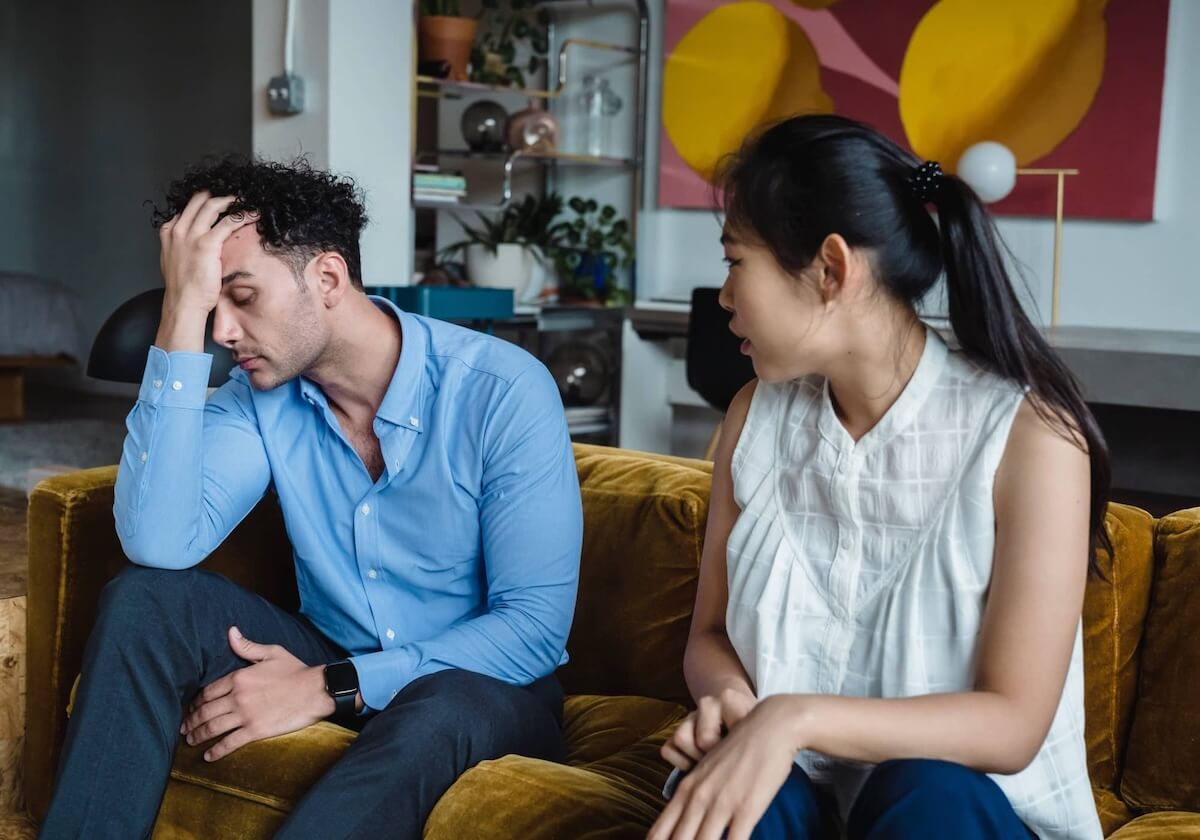

Getting cheated on is one of the most disorienting experiences a person can go through. Whether you just found out or you've been sitting with the pain for weeks, this guide walks you through how to heal — step by step, from a therapist's perspective.
I have sat across from hundreds of couples and individuals, watching them try to make sense of the moment everything changed. A wife found text messages while her husband was deployed overseas. A boyfriend noticed his partner pulling away for weeks before the truth came out. A partner learned their girlfriend had been sharing emotional intimacy with someone else in a way that felt like a second relationship. Each story is different, but the pain carries a familiar weight.

- Infidelity affects more than the relationship itself. It can disrupt trust, identity, and emotional safety, which is why the aftermath often feels overwhelming and disorienting.
- All forms of cheating can be deeply painful. Emotional and physical infidelity both matter, and your experience is valid regardless of how the betrayal occurred.
- You do not need to decide whether to stay or leave right away. Giving yourself time to process your emotions can lead to clearer and healthier decisions.
- Healing begins with self compassion and reflection. Acknowledging your feelings, setting boundaries, and seeking support are essential steps forward.
- Rebuilding trust is a gradual process. Whether the relationship continues or ends, trust is rebuilt through consistency, boundaries, and learning to feel safe again within yourself.
If you are reading this, you are likely in the thick of it right now. There is a path forward. It starts with understanding what you are feeling and why. In this guide, I discuss how to get over getting cheated on, survive the aftermath, and move forward with clarity, trust, and self-compassion.
For more on this, see our glossary entries on affair recovery therapy and couples counseling for cheating.
I walk you through infidelity the same way I do in session. I share what I have seen in clinical work, and I speak to you directly because clarity matters here.
Why Being Cheated On Hurts So Deeply (And Why That Makes Sense)
Couples who experience infidelity often arrive in the same place. Something that felt stable now feels broken. Relationships depend on trust. When trust breaks, the impact spreads further than most expect.
I remember a session early in my career. A woman in her 40s, married for 18 years, told me she felt fine about the affair itself. What kept her up at night was something else. If her husband could lie about this, what else had he lied about? Finances. Retirement plans. Conversations with their children’s school. The affair was one piece. The loss of certainty affected everything else.
The loss of certainty affected everything else. And she wasn't alone — 2026 OurRitual research shows that 60% of people seeking help after infidelity say they rarely feel heard by their partner. That silence compounds the original wound.
Over time, I have seen this pattern across many types of couples. Dating partners. Married couples. Military families under deployment stress. Parents managing co-parenting. Long-distance couples are already experiencing strain on their trust. The reasons the pain runs deep tend to fall into a few areas.
Those are:
- A direct breach of trust. Relationships rely on reliability and emotional awareness. When a partner cheats, the agreement breaks down. One client in a same-sex relationship described it as the floor disappearing. He and his partner built their life on honesty. The affair made him question if that foundation had ever existed.
- A ripple effect across the relationship. Infidelity rarely stays contained. Clients begin to question everything. Shared finances. Parenting choices. Everyday conversations. A military spouse described feeling like she had to review her entire marriage after learning about the affair during deployment.
- Identity shock. Cheating shifts how you see yourself and your partner. Clients often say, I thought we were not the kind of couple this happens to. Or, I usually read people well, and I missed this. That disorientation creates a deeper form of grief.
- Emotional turbulence. Your mind processes multiple emotions at once. Sadness, anger, guilt, confusion, and sometimes relief. I tell clients this is expected. Feeling anger while also missing your partner is part of how people process betrayal.
What I tell every client is simple. Infidelity creates layers of pain. The first step is to identify which layers affect you most. When you can name the source, you can respond to it instead of feeling overwhelmed by it.
Emotional vs. Physical Cheating: Which One Hurts More?
In therapy sessions, clients often try to measure their pain. They say it was only physical, maybe I am overreacting. Or, nothing physical happened, so do I have a reason to feel this upset? I stop them. Your response matters regardless of the form of cheating. There is no threshold your pain needs to meet.
I worked with a couple where one partner had a long emotional connection with a coworker. No physical contact. The discovering partner said this felt worse than a physical affair. He gave someone else the emotional closeness she had been asking for. That felt like rejection.
Other clients feel the opposite. The physical act stays with them, even without an emotional connection. In many cases, both are present.
The question to focus on is this. How does this behavior affect me? For some, the physical aspect carries more weight. For others, the emotional part cuts deeper. Sit with that question. Reflect on it alone, with someone you trust, or in therapy. Understanding your reaction gives you direction.
At OurRitual, over 300 relationship experts support clients through these situations with structured guidance and consistent care.
What to Do Immediately After Being Cheated On
After the initial shock, most clients ask one question. Should I stay or should I leave? The urge makes sense. Your mind is trying to protect you. I ask clients to slow down before deciding.
One couple came to me two days after the discovery. The partner who was hurt had already told friends it was over, looked for a new apartment, and blocked his girlfriend. When we slowed things down, he saw he was reacting to pain, not processing it. Six weeks later, after steady work, he chose to stay. Another client in a similar situation took time and chose to leave. Both decisions were valid. The difference was how they arrived there.
Early on, I see a few common patterns:
- Acting as if nothing happened and pushing emotions aside
- Directing anger at the partner to avoid deeper hurt
- Numbing through work, substances, or constant distraction
- Ending the relationship quickly to avoid grief
These responses help in the short term. Over time, they block healing. Clients who make progress move more slowly. I have seen this across many couples, including parents and military couples, who are managing additional layers around the betrayal.
I guide clients to focus on a few actions:
- Express what you feel, even if it comes out messy
- Recognize numbness as part of the process
- Focus on sleep, food, movement, and hydration
- Speak with a therapist when possible
- Decide if and when to speak with your partner
There is no single way to grieve. Some people need space. Others need connection. Some need conversation. Others need quiet. What matters is finding a rhythm that supports both expression and reflection.
OurRitual combines guided sessions with tools between sessions, so progress continues outside the therapy hour.
How to Trust Again After Infidelity (Even If You're Terrified)
Whether you stay or leave, rebuilding trust is part of recovery. I tell every client this. The betrayal was not your fault. Rebuilding your ability to trust is your responsibility.
I worked with a woman who left her marriage after infidelity. Two years later, she still could not let a new partner see her phone. She had nothing to hide. The issue was vulnerability. We worked through this slowly. She started with small steps. Letting a friend borrow her car. Keeping promises to herself. Over time, her confidence in her own judgment returned.
Rebuilding trust means rebuilding a sense of safety. Here is how I guide clients:
- Start with small actions. Notice where trust already exists in your life
- Set clear expectations if the relationship continues. Be specific about what you need
- Notice emotional triggers. Pause, name the feeling, choose your response
- Watch for consistency. Look at patterns over time, not one gesture
- Give yourself time. Healing does not follow a fixed timeline
These steps are harder than they sound. In fact, 69% of people healing from infidelity say that learning to feel safe enough to be vulnerable again is the single most important skill they want to rebuild. That's not a small ask — but it's where real recovery lives.
Trust grows when actions match words over time. When you respect your boundaries and reflect honestly, you create conditions for trust to return.

.avif)

.avif)
.avif)
.avif)
.avif)
.avif)