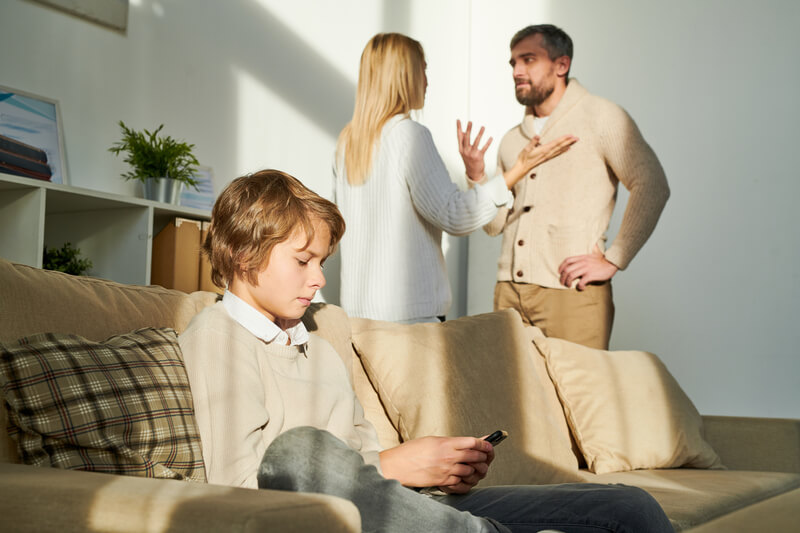


After a disagreement, it’s easy to stay focused on the fight itself, the words that landed wrong, the tone, the moment things spiraled. But research shows that it’s not the presence of conflict that affects a relationship most; it’s what happens afterward, how couples repair, reconnect, and find their way back to each other.
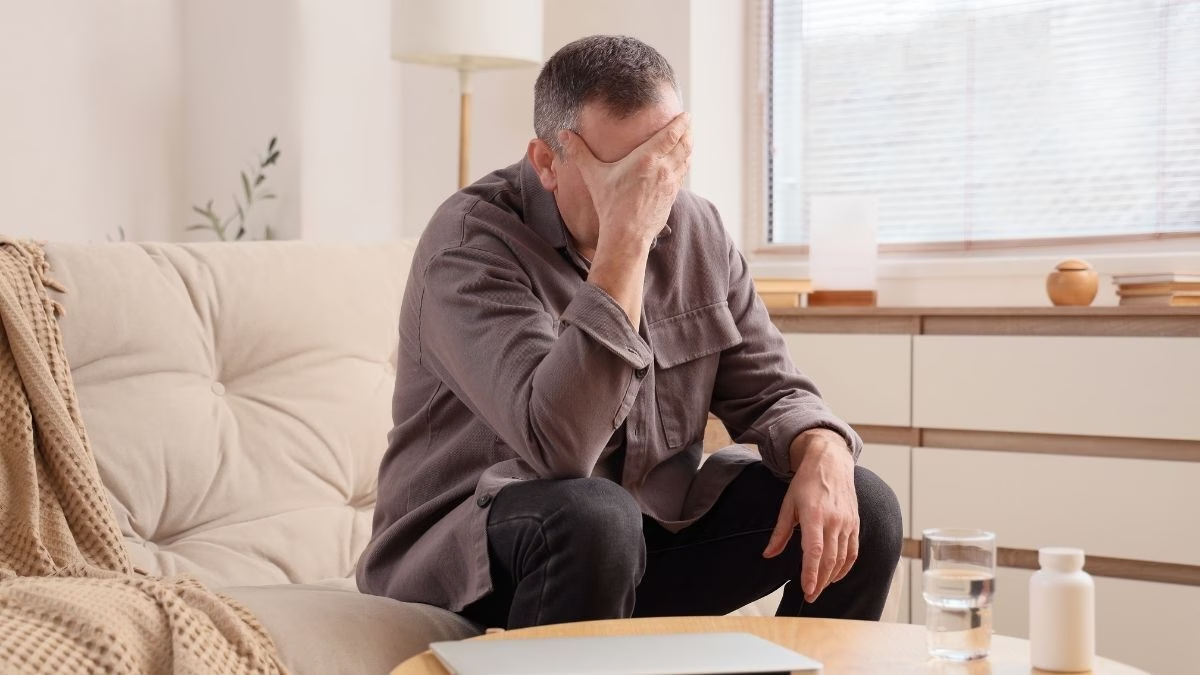
What happens after a fight in a relationship is often quieter and more confusing than the argument itself. Emotions are still close to the surface. One person may pull back while the other feels the distance right away. Silence can feel awkward or heavy, and even simple interactions, like small talk or shared routines, can feel slightly strained.
That in-between space can be unsettling, especially in relationships that are otherwise caring and committed. It’s not unusual to feel a lingering sense of distance or uncertainty, even when you understand exactly what caused it. What matters is how that moment is handled, because this post-conflict phase is where relationships either begin to mend or slowly drift further apart.
In this blog, we’ll explore:
- What’s happening emotionally after a fight
- Why disconnection can feel so intense
- The role repair plays in restoring emotional safety
- How couples can move back toward closeness without rushing, forcing, or ignoring what just happened
What Happens After a Fight in a Relationship?
Arguments don’t end when the words stop. Even after things go quiet, there’s often a lot still happening under the surface. Emotions linger. Tension hasn’t fully settled yet.
After a fight, many people are left feeling hurt, frustrated, sad, or a strong urge to pull away. Some partners instinctively need silence to calm themselves and regroup. Others feel deeply unsettled by that silence and want to talk things through right away to find a resolution. Neither response is inherently wrong, but when these differing needs collide, distance can grow faster than either person expects.
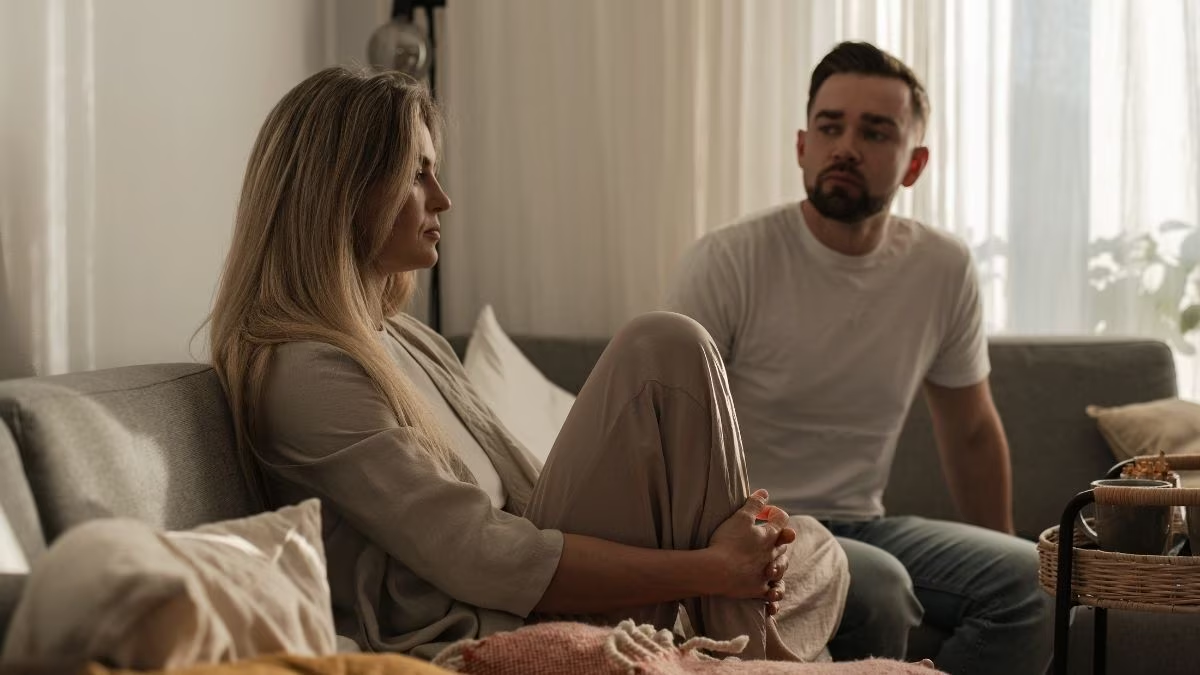
When one person needs space, and the other needs reassurance, it’s easy to fall into a pattern that leaves both people feeling worse. One partner goes quiet or shuts down, the other tries harder to talk, and suddenly it feels like you’re on opposite teams. Defensiveness hangs in the air, both people replay the fight in their heads, and even a calm conversation can feel out of reach for a while.
That’s often why people feel distant or emotionally flat after an argument. It usually isn’t a sign that the relationship is falling apart. It’s a sign your system is still keyed up, and closeness does not feel easy yet.
Why Disconnection Can Feel So Strong After a Fight
After a fight, the conversation may be over, but it can still feel like you’re walking around with a knot in your chest. You might sit on the same couch and feel miles apart. Even everyday things, deciding what to eat, sharing a quick update about your day, reaching for a hug, can feel oddly tense.
When a disagreement shakes emotional safety, even briefly, many people instinctively pull back. It’s not a dramatic decision. It’s your mind and body saying, “Let me make sure this is safe again before I lean in.”
When a disagreement shakes emotional safety, even briefly, many people instinctively pull back. It’s not a conscious choice. It’s a protective response. Some people grow quiet and need space. Others become more irritable or distant. Often, it’s not the topic of the fight that creates the distance. It’s the fear of getting hurt again, or the feeling that you’re still misunderstood.
This is why, after a fight, people sometimes worry that something deeper has changed. You might notice yourself thinking, Why do I feel so disconnected? or Why don’t I feel as close as I did yesterday? That shift can be unsettling, especially in relationships that usually feel steady and loving. In most cases, this isn’t about losing your relationship or falling out of love. It’s your system taking a moment to reset after emotional strain.
What helps most in this phase is giving yourselves a little room, rather than pushing things back to “normal.” Feeling disconnected after a fight is common. The way you move through that space, with patience, attention, and a genuine effort to reconnect, matters way more than how quickly the distance fades.
Why It Can Feel Like You’re “Losing Feelings” After a Fight
One of the most alarming experiences after conflict is the sudden fear that your feelings have changed.
After a big argument, people often describe feeling numb, detached, or unsure. This can be deeply unsettling, especially in otherwise loving relationships.
In most cases, this reaction has more to do with emotional overload than with love disappearing. When your system is flooded, closeness can temporarily feel unsafe. Pulling back creates a sense of control and protection.
This is why reconnecting after conflict works best when it is gentle and paced, rather than rushed or forced. Trying to immediately feel “back to normal” often backfires.
Why Repair Matters More Than the Fight Itself
What determines whether a fight damages a relationship is not the argument alone, but whether repair happens afterward.
Repair is the process of restoring emotional safety after tension or hurt. It can be a conversation, a gesture, a moment of understanding, or even shared humor when the timing is right. Repair reassures both partners that the relationship is still secure, even when emotions run high.
Without repair, conflict tends to linger. Hurt goes unspoken. Distance stretches a little longer each time. Over time, couples may start to feel like fights leave a mark, even when they seem small on the surface.
With repair, something different happens. The relationship learns that it can bend without breaking.
Repair does not mean pretending the fight did not happen. It does not mean rushing to apologize before you are ready, or forcing closeness when emotions are still raw. Instead, repair means acknowledging the conflict's impact and taking steps to reconnect emotionally.
Sometimes repair sounds like:
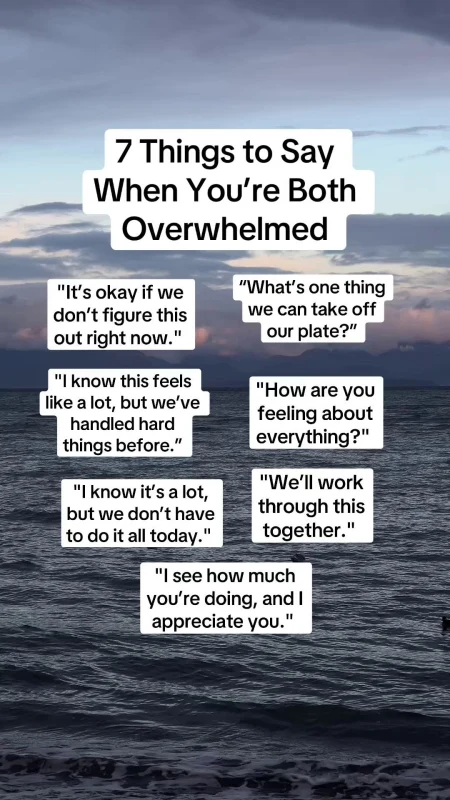
- “That argument was harder than I expected. I don’t want us to stay distant.”
- “I didn’t like how we left things earlier.”
- “I care about you, even though that conversation went badly.”
Sometimes repair is quieter. Sitting closer on the couch. Making coffee the next morning. Sending a text that says, “Thinking about you.” These moments matter more than they often get credit for.
Repair is essential because it helps prevent fights from stacking on top of each other. When conflict is followed by genuine repair, the nervous system settles more quickly. Trust stays intact. Emotional closeness returns faster.
This is also why some couples argue often but still feel close, while others fight less frequently yet feel disconnected. The difference is not how much conflict exists, but how consistently repair follows it.
Learning to recognize when repair is needed, and what it looks like for each partner, is one of the most protective skills a relationship can develop.
How Soon After a Fight Should You Try to Reconnect?
There is no single proper timeline for how soon to talk after a fight. What matters more is whether both people feel calm enough to listen and speak without escalating again.
Some couples reconnect within an hour. Others need a day. Problems arise when partners have very different timelines and don’t communicate about them.
A helpful middle ground is naming the pause. Even a simple sentence like"I need a little time, but I want to talk later" can help the relationship feel safe during the time apart.
How to Reconnect After a Fight Without Making Things Worse
If you’re wondering how to reconnect after a fight without reopening wounds, the first step is shifting the goal. This moment isn’t about winning, proving a point, or resolving everything at once. It’s about restoring a sense of emotional safety.
Reconnection often starts in subtle ways. A softer tone. A little more eye contact. Sitting closer than you were before. Even something as simple as acknowledging that the fight was hard can signal care and willingness to reconnect. Beginning with emotional acknowledgment, rather than jumping straight into problem-solving, helps both people settle and makes repair possible.
Once some emotional safety has returned, the next challenge for many couples is figuring out how to talk again without reopening the same wounds.
How to Start a Conversation After an Argument
Many couples struggle with how to start a conversation after an argument without making things worse. What helps most is resisting the urge to jump straight into blame or analysis. Instead of reopening the details of the fight, it’s often more effective to begin with how the conflict felt.
That might sound like sharing that you’ve been feeling distant since the argument and wanting to understand what happened, or admitting that the fight lingered with you more than you expected. Sometimes simply saying that you want to reconnect, without ending up in the same place again, can soften the tone of the conversation before it even begins.
Approaches like these lower defensiveness and signal that the goal is repair, not reliving the argument. And even when a conversation goes better than expected, it’s normal for closeness to return gradually rather than all at once.
Rebuilding Intimacy After an Argument
After an argument, it’s normal for intimacy to take a little time to return. Emotional closeness usually needs to come first before physical intimacy feels natural again. After a disagreement, it’s often the everyday moments that help things feel close again.
Shared routines, gentle touch without pressure, small acts of kindness, or even humor when the timing feels right can all help closeness find its way back. These moments quietly signal care and safety without forcing anything.
Trying to rush intimacy before emotional safety has been restored can sometimes create more distance instead of less. Letting closeness rebuild at the pace trust allows gives the relationship room to settle and reconnect in a way that feels genuine.
When Patterns Keep Repeating
If you keep finding yourselves in the same pattern after disagreements, where things go quiet, emotions flare, distance sets in, and nothing really gets resolved, it may be a sign that something deeper needs attention.
Repeated patterns often mean that the relationship needs more support than self-repair can offer. This is where an expert can be helpful, not because the relationship is failing, but because it requires a safer space to slow things down and understand what keeps getting triggered.
FAQs
How soon after a fight should we talk about it?
There is no universal timeline. Some couples need space to cool down, while others prefer to reconnect quickly. What matters is that both partners feel regulated enough to listen and speak without escalating again, and that there is clarity about when the conversation will happen.
Is silence after an argument bad for our relationship, or can it help?
Silence can be helpful when it is used to calm emotions and paired with an intention to reconnect. It becomes harmful when it feels like avoidance, punishment, or abandonment. Clear communication about the pause makes silence more constructive.
What’s the best way to start a conversation after an argument without making things worse?
Start with emotional acknowledgment rather than problem-solving. Naming how the argument affected you and expressing a desire to reconnect can help lower defensiveness and create a safer space for dialogue.
What if my partner refuses to talk after the fight?
Refusal to talk often signals overwhelm, not indifference. Giving space while clearly expressing your desire to reconnect later can help. If refusal becomes a repeated pattern that leaves issues unresolved, outside support may be needed.
How can we rebuild intimacy after a big fight?
Rebuilding intimacy usually begins with restoring emotional safety. Small gestures of care, consistency, and patience help intimacy return naturally over time. Pressuring closeness too soon can increase distance.
Why do I feel like I’m “losing feelings” after a fight?
This feeling is often a temporary response to emotional overload. When your nervous system is protecting itself, closeness can feel risky. As safety returns, feelings typically follow.
Are fights always a bad sign, or can they sometimes help relationships grow?
Fights are not inherently bad. When handled with repair and reflection, they can deepen understanding. The key factor is whether couples repair afterward or remain stuck in disconnection.
When should we consider couples therapy rather than trying to fix things on our own?
If fights keep repeating, emotions escalate quickly, or repair feels impossible, therapy can help couples understand patterns and rebuild safety. Therapy is also helpful for relationship upkeep, not just crisis.
How do we avoid falling into the same fight patterns again?
Awareness is the first step. Understanding what happens emotionally after conflict, how each partner responds, and where repair breaks down helps couples interrupt cycles and respond differently next time.
Moving Forward After Conflict
Fights do not have to define a relationship. What happens afterward matters just as much.
Learning how to fix a relationship after a fight is less about improving communication and more about understanding emotional timing, safety, and repair. With awareness, patience, and the proper support, couples can reconnect after a fight and build resilience rather than distance.
If you find that post-fight disconnection lingers or patterns feel hard to break, platforms like OurRitual make it easier to access couples therapy and relationship support in a way that feels grounded and approachable.
Conflict will happen. Repair is where growth lives.