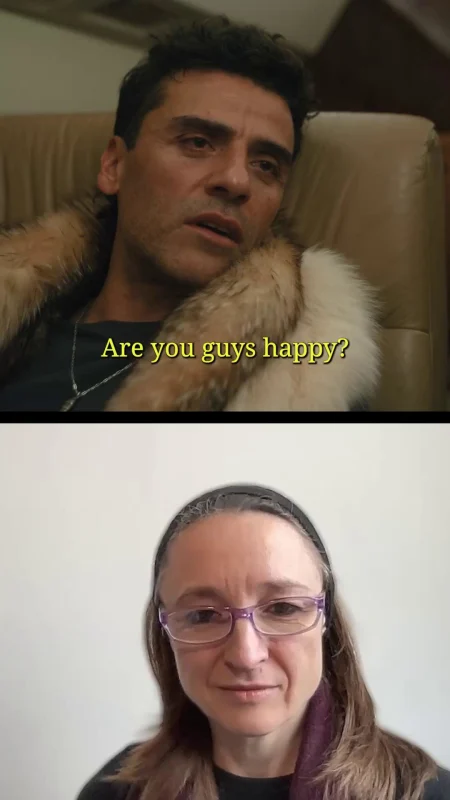

ouples therapy is very different from how it is portrayed on TV. Today, an OurRitual Expert is going to discuss the common myths clients bring to couples therapy while offering tips to get the most from your therapy sessions.
Debunking Myths About Couples Therapy: What You Need to Know
Therapy, by its very nature, is quite private. For those of us who have been to individual therapy, we all know that (other than serious safety concerns) what is discussed in the therapy room stays in the therapy room. Although this is essential for therapeutic progress, what this means is that there is often a lot of speculation about what therapy actually involves.
Couples therapy is no different. Just like how most of us don't openly discuss our mental health struggles, many couples don't share that they are seeing a couples therapist out of fear of stigma. What ends up happening is that our understanding of couples therapy forms from rumours, popular media, and, sometimes, our own fears and projections.
Today, we are going to share a couple of myths and questions couples bring to therapy, and how you can get the most out of sessions. If anything isn't answered here, be sure to reach out to the OurRitual team for more information.
Myth 1: Therapy is all about big breakthroughs
Movies are often to blame for this one. Therapy is sometimes framed as this place where clients have that elusive "ah-ha!" moment and all their issues are solved forever and permanently. As much as we would like this to be the case, unfortunately, this is not so.
Just like how resentment (or any other difficulty in a relationship) builds over time, it is going to take sustained effort to process difficult emotions and work through relationship issues. Often, clients may feel sadness, guilt, or loneliness come up mid-session. This isn't a sign that therapy isn't working. In fact, it's quite the opposite: therapy gets us in touch with our feelings so we can process them effectively and sustainably.
A good therapist will help you process emotions and events in a way that is sustainable - not racing over key details or discrediting important issues. The focus is on building lasting change, so consistency is key.
Tip: Use feedback with your therapist
Most clients don't know that they can discuss how therapy is going with their therapist! OurRitual uses a feedback-informed treatment model, so you can work alongside your therapist to control the pace, set goals, and discuss any concerns about the sessions both during and after.
Myth 2: Something must be "wrong" to need couples therapy
This is similar to the myth that most people separate after couples therapy, which is simply not true. If anything, both partners recognising that therapy may be required is a sign of emotional maturity and insight. And I am pleased to say, most couples find a way to work through things, even after therapy has completed!
Often, we equate needing support with an eventual demise of our relationship. This is the result of what is called emotional reasoning, a cognitive bias where we assume that our feelings indicate reality. For example, we may feel very nervous about starting therapy and assume that nervousness must mean something is deeply wrong.
In therapy, we start to identify how our thinking colours our emotional reality. As much as we would like to think so, our brains are not right all the time. Therapy gives us a much-needed chance to step back and look at how we are approaching relationships.
Tip: Come in with an intention to learn
All of us (therapists included) are constantly learning and navigating relationships. We all have room to grow, forming more secure and loving relationships with others. Ahead of the session, it can be useful to ask yourself or your partner: what do we want to learn today?
When engaging in this journey of self-discovery, it is vital to adopt an attitude of self-compassion. Deep down, we are all trying to find better ways of relating to others and ourselves. And sometimes we miss the mark. A therapist will help you find ways to acknowledge mistakes and do better, while keeping an attitude of kindness.
Myth 3: My therapist will tell us who's right
A common saying in the therapist community is that "a good therapist is a guide by your side, not a sage on a stage". What this means is that a therapist is there alongside you, helping you gain a fresh perspective on the relationship, identify strengths, and also cultivate more interpersonal awareness.
In couples therapy, the therapist provides a neutral space for the couple to talk about the relationship dynamic. This gives couples an open forum where they can express, reflect, and come up with solutions together. A good therapist will not side with you or your partner. This is called collusion and is not encouraged for therapeutic progress.
The myth that a therapist will say "you're right, they're not," or vice versa, can be pretty damaging to progress in couples therapy. Sometimes, one partner (or both) expects the therapist to side with them. It simply won't happen.
Tip: drop the narrative and focus on skills
Remember that the session is not a courtroom: you do not need to prove you're right or that your partner is wrong. If anything, you will get the most out of couples therapy when the focus becomes on how you and your partner handle the relationship, more so than the content of the difficulties. The "how" over the "what".
For example, in conflict work, it is useful to talk with your therapist not only about what the fight was about but also the habits you and your partner get into during conflict (for example, stonewalling, raising voices, deflecting). By learning skills, you can manage and resolve conflicts better in general, regardless of what they are about.
Off the couch and into the world
So there we have it, some common misconceptions and myths about couples therapy and what you can do instead. In summary, couples therapy is all about providing a neutral space to discuss the relationship without blame, where partners can self-reflect and improve their ways of relating.
If you take one thing away from this piece, it is that couples therapy does not need to be a high-stakes interaction. In fact, it is often best when it is integrated into your day-to-day life. Couples therapy helps us gain new perspectives and, ultimately, insight into our ways of relating to others. But to really reap the benefits, we need to practice relating better to others every single day.
And this is the magic of couples therapy. The benefits flow into all of our relationships, not just the one we have with our partner. You will know it's working when you leave the session feeling more aligned, insightful, and ready for change.
Wishing you all the best for your couples therapy journey.
FAQs
Do we need to be experiencing a crisis to begin couples therapy?
No. Most couples begin couples therapy to improve their communication, navigate relationships with families, talk about parenting, or even reflect on why things are going right.
Can we argue in the session?
You can, and the therapist will help you slow things down if things get too heated. Importantly, there will be a period of reflection, where the couple and therapist debrief about what happened, how the conflict was handled, and how to argue better next time.
Does couples therapy lead to breakups?
Not usually. Couples therapy generally leads to improved communication and awareness in relationships, and most couples find that their relationship strengthens. That being said, some couples use couples therapy to navigate the end of a relationship or discuss co-parenting arrangements.
Can I show up by myself?
Sure! Whether it's other commitments or a partner who is simply not ready to begin, individuals are more than welcome to participate in therapy to discuss the relationship. However, it is important to recognise that couples therapists approach things a little differently than mental health therapists. The emphasis in couples therapy is on how you relate to other people, more so than managing mental health symptoms.
Do we have to talk about our childhoods or our pasts?
The only time a therapist will ask about this is if there is some indication that past ways of relating are impacting the current relationship dynamic. For example, a client may realise that their overbearing parents have led to them adopting a certain communication style with their partner. It is up to you to decide how much to share.