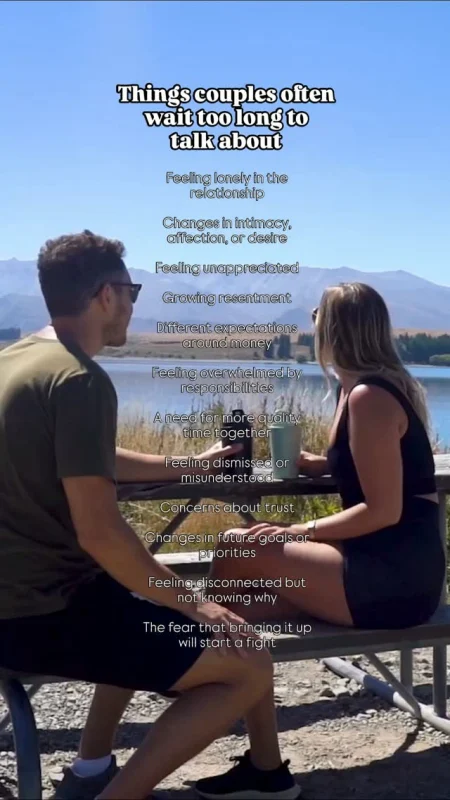



Wondering how to talk to your partner about couples therapy without making them defensive? You’re not alone.
You keep having the same fight. You’re tired of talking and getting nowhere. Part of you wonders whether this is just how it will always be. You know something has to change, but bringing up therapy can feel terrifying.
What if they say no? What if they think therapy will not work? What if it makes things worse?
You don’t want to lose the relationship. You want a way forward.
In this guide, you'll learn exactly how to talk to your partner about couples therapy, including how to ask your partner to go to therapy in a way that feels supportive instead of critical.
Bringing up therapy can feel risky because the relationship matters so much. You might worry your partner will hear criticism instead of care. You might be afraid of opening something you cannot close. Wanting help and being afraid to ask can coexist.

- Notice the signs you need couples therapy early: Repeating fights, emotional distance, feeling unheard, or wanting skills to strengthen your connection are signals to consider support.
- Approach the conversation thoughtfully: Choose a calm moment, lead with appreciation, frame therapy as a team effort, and give your partner space to process.
- Normalize concerns: Cost, time, or uncertainty are common worries. Therapy is an investment in the relationship, not a sign of failure.
- Focus on the future, not blame: Therapy provides practical tools to improve communication, understanding, and connection while preventing resentment.
- Start small if needed: Even if only one partner is ready, consistent, small steps can shift the dynamic and inspire positive change.
- Visualize success: Calmer conversations, feeling chosen and loved, smoother communication, and a stronger, more resilient relationship.
Why does talking about couples therapy feel so hard?
There are real reasons this topic can feel loaded.
Many of us carry a stigma about couples therapy or marriage counseling. Maybe you have seen relationships end in therapy or heard people say it did not help. Maybe you have seen relationships end in therapy or heard people say it did not help.
Yes, some couples break up during or after therapy. Often, they arrive at therapy when one partner has already emotionally left. Coming back from that can be incredibly difficult.
Research by Dr. John Gottman shows that couples wait an average of 6 years before seeking help. That is six years of hurt, resentment, and miscommunication, followed by the hope that it can be undone quickly. Pain takes time to build and to heal.
Communication struggles are also one of the most common reasons couples seek support. In fact, in a 2026 OuRitual survey of over over 8,000 people found that 71% of couples flagging communication challenges as their main concern say the issue feels urgent to address.
Therapy can also feel like admitting failure. It is not. Reaching for support is courageous. When emotions run high, it is hard to interrupt patterns on your own. A structured space makes that possible.
Some people worry they will spend the whole time rehashing the past. In reality, effective therapy is future-focused. You learn practical ways to create more of what feels good.
It is collaborative, and many couples are surprised by how quickly a new understanding can grow.
When fear keeps you from raising the idea, the relationship stays stuck.
Why bringing up couples therapy matters
A few uncomfortable minutes can open the door to real change.
Melissa and Ben were exhausted by constant conflict. They were fighting about chores, not feeling loved, and a lingering sense of, “I do not know how to talk to you.”
Ben finally said, “I want to fix this with you, but I do not know how. I think we need support. What do you think?”
Melissa was nervous. She had never tried therapy and worried about privacy and whether it would actually help.
Using structured tools, they began recognizing their patterns. What they thought were arguments about dishes or tone were connected to older, unresolved hurt.
They also realized they were expressing care in ways that simply were not landing.
This experience is incredibly common. What appears to be conflict on the surface is often a protest for closeness beneath the surface. With the right support, couples learn to hear the need rather than react to tone.
With guidance, they built a practical plan to repair the past and show love in ways each of them could truly receive.
It was not instant. There were bumps. But over time, they became better at meeting each other’s needs.
They were not perfect. They were still learning. But they were far more connected than before. With new skills, they could course-correct and understand one another faster.
This is the shift therapy is designed to create. Often, you argue over surface issues while deeper needs go unseen. Without guidance, those layers can be hard to uncover on your own.
Most of us were never shown the skills healthy relationships require.
Progress does not mean you never argue again. It means you recover faster, understand each other better, and feel like you are on the same team.
Couples therapy is not just for crisis
You do not have to be falling apart to benefit.
Many couples start therapy to protect what they already have. They want to stay close, manage stress more effectively, and prevent resentment from building.
Life transitions often bring people in: marriage, babies, moving, career changes, blended families. Each season asks you to adapt together.
Many strong couples use relationship therapy to stay strong, not because they are failing.
Therapy creates space to slow down, notice patterns, and stay connected. Seeking support early signals that this relationship matters enough to invest in.
Signs it might be time for outside support
If something feels off, listen to that nudge.
Common signs include:
- Communication feels stuck or negative
- The same fights repeat
- Emotional distance has grown
- Transitions feel overwhelming
- One or both of you feel unheard
- You want skills to strengthen the relationship
- You want to stop resentment before it builds
Waiting rarely makes patterns disappear. More often, they grow roots. The earlier you get support, the easier it is to shift.
If these sound familiar, you do not have to stay stuck in the same conversations or feelings of disconnection.
OurRitual can help you begin building a relationship where you both feel loved, connected, and at peace.
Book a session with a relationship expert today.
Choosing the right moment
Timing influences how the conversation lands.
Avoid moments when your partner is exhausted, distracted, or already stressed. Look for a time when you can both be present.
A walk or coffee can help the conversation feel more relaxed and intentional.
How to prepare before you ask
Preparation helps you stay calm and connected.
Before you speak, try to settle your nervous system. Breathe, move your body, journal, or listen to music. The steadier you feel, the safer the conversation will feel to your partner.
If you’re unsure how to suggest couples counseling without making your partner defensive, it can help to write down what you want to say beforehand.
You might try, “Our relationship means so much to me. I have noticed we have both been more reactive, and I miss feeling close. I think support could help us reconnect. What do you think about trying couples therapy?”
This frames it as teamwork. No blame, just care.
Remember, you have had time to consider therapy. Your partner may need time as well, and that is okay.
A step-by-step way to start the conversation
Small shifts in approach can make a big difference.
- Lead with appreciation and what you value about them
- Keep blame out of it
- Use a warm tone and open body language
- Ask what they want more of, then connect therapy to that vision
- If you agree, decide together how you will take the first step
What Not to Say When Bringing Up Couples Therapy
Avoid turning the conversation into blame or an ultimatum.
Try not to say things like:
- “You need therapy.”
- “You’re the reason we’re struggling.”
- “If you cared, you’d go.”
- “This is our last chance.”
Even if you’re hurting, language that sounds threatening or critical can make your partner shut down.
The goal is not to force your partner into therapy. It’s to create enough emotional safety for an honest conversation.
Common concerns about couples therapy
Hesitations are normal. Talking about the worries openly can actually bring you closer.
Here are the most common concerns we hear.
“It costs too much”
Support is an investment, and it is okay to weigh it carefully. Couples also ask what it costs emotionally to keep repeating painful patterns.
Many say they wish they had started sooner because of how much stress and distance it would have saved.
Couples therapy cost may vary, yet OurRitual offers flexible options so couples can choose what fits their budget while still moving forward.
Book a session to get started today.
“We don’t have time”
Life is full. Adding one more thing can feel overwhelming.
Most sessions are under an hour, and online formats remove travel. Many couples find that a consistent window of support actually gives them energy back.
“It’s not that bad”
That can be good news.
Therapy does not have to be a last resort. Many couples begin because they want to prevent issues from growing and stay connected.
You do not have to wait for a crisis.
“What if we don’t click with the therapist?”
Fit matters. You are allowed to look for someone who feels right for you. A little exploration is normal.
“Talking won’t change anything”
It can feel that way when you have had the same conversations on repeat.
Therapy is different because you are not only talking. You are practicing new behaviors with real-time guidance. You learn to interrupt patterns and build skills with someone trained to notice what is hard to see from the inside.
What if your partner says no?
No does not have to mean never.
You might say, “I understand. If you ever feel open, I would love to try.”
A "no" can feel like rejection, but it is often a form of protection. Your partner may be afraid of being blamed, exposed, or pushed into something they are not ready for. Staying warm and steady keeps the door open.
It is common for one partner to be ready before the other. Readiness often grows after several calm invitations.
You can still seek guidance yourself. When one person changes, the dynamic often shifts too.
What success can look like
Consistent, small efforts can transform a relationship.
Emma and Todd felt distant. Nothing dramatic had happened, but they drifted slowly.
Their careers were taking off. They talked less, connected less, and began hurting each other without meaning to.
They wanted to find their way back but did not know where to start.
Therapy felt like another task, yet staying stuck felt worse. They explored where the shift happened and practiced new tools.
This is often what couples are really searching for beneath the conflict. The two communication skills people most want to build while working on communication are staying calm and grounded during tough moments (69%) and better understanding their partner’s point of view (56%).
Six weeks later, they could talk again. They felt like partners.
Not perfect, but connected. They understood their patterns and had a plan to keep from ending up there again.
That is real progress.
Don’t let regret make the decision for you
Starting might feel scary, but waiting can hurt more.
I once spoke with someone who reached out years after a divorce. “I didn’t try,” he said. “I didn’t fight for us.” By then, it was too late.
If you still have the chance, you can take it.
You do not have to decide everything today. You can decide whether to move in a new direction.
Even one step toward guidance can change how tomorrow feels.
With OurRitual, that step is simple.
You will be guided through research-informed frameworks by experts who understand how hard relationships can be.
Many couples say the hardest part was starting. Once they did, they felt relief knowing they no longer had to figure it out alone.
If your relationship matters to you, you do not have to know exactly how this will go. You just have to be willing to begin.
Imagine calmer conversations, easier sleep, less dread, and being chosen again.
Book a session with OurRitual and take the first step toward a relationship that feels calm, connected, and truly loved.
.avif)
.avif)
.avif)


.avif)
.avif)