


Being apart from your partner isn’t easy. Between time zones, busy schedules, and the absence of everyday routines, staying close takes effort and understanding.
Long-distance relationships ask couples to communicate intentionally, build trust from afar, and stay emotionally connected without shared space. When you add some structure and clarity to how you communicate, distance becomes easier to manage, and many couples find they connect in ways they hadn’t before.
When couples put care into how they communicate and stay present in each other’s lives, the miles between them start to matter less. Over time, that effort builds a different kind of closeness, one rooted in understanding, trust, and emotional safety. Many couples find that the habits they develop during this period become the foundation for a stronger, more resilient relationship.
In this article, we'll discuss how to make a long-distance relationship work, and explore:
- The most common long-distance relationship challenges and how couples can navigate them
- How emotional safety, communication, and trust develop across distance
- Why distance itself isn’t the real barrier, and what truly helps couples thrive
- Research-backed strategies and habits therapists recommend for staying close
- Answers to the most common questions about maintaining a long-distance relationship
Why Do Long-Distance Relationships Feel So Hard?
Long-distance relationships can test even the strongest couples. When you can’t share the same space, everyday reassurance like a hug, a glance, a quick laugh, requires more effort. Small misunderstandings can quickly become big, and tone or timing can take on new weight.
Staying close from a distance often depends on the small things, like a quick text, a shared joke, or a simple check-in. These moments help partners feel seen and valued, and when they’re missed or brushed aside, that sense of connection can fade even when the love is still there.
Common long-distance relationship problems include time zone differences that make communication unpredictable, limited physical contact, loneliness or jealousy, logistical strain from travel or cost, and emotional miscommunication when tone or intent gets lost through text or calls.
These challenges can make emotional safety feel fragile. But distance itself isn’t what breaks relationships; it’s how couples respond to those moments of disconnection that determines whether intimacy fades or grows.
What Makes Some Long-Distance Relationships Thrive?
It might be surprising, but research shows that many long-distance couples maintain equal or even stronger emotional intimacy than couples who live together. A 2013 study in the Journal of Communication found that long-distance partners often communicate more intentionally and share deeper emotional disclosures.
Without the comfort of daily proximity, couples learn to express affection through consistency, words, and creativity. That level of awareness can strengthen trust and connection.
Therapists often note that long-distance couples who thrive tend to maintain independence and personal goals, prioritize empathy and responsiveness, schedule consistent rituals of connection, and communicate openly about expectations and feelings.
When partners remain engaged in each other’s inner worlds, even from afar, their relationship becomes more resilient and emotionally rich.
How Emotional Safety Shapes Intimacy
Emotional safety is the foundation of connection. It’s the sense that you can be honest and vulnerable without fear of being judged or dismissed. When emotional safety is present, couples can talk about insecurities, needs, and frustrations with compassion instead of defensiveness.
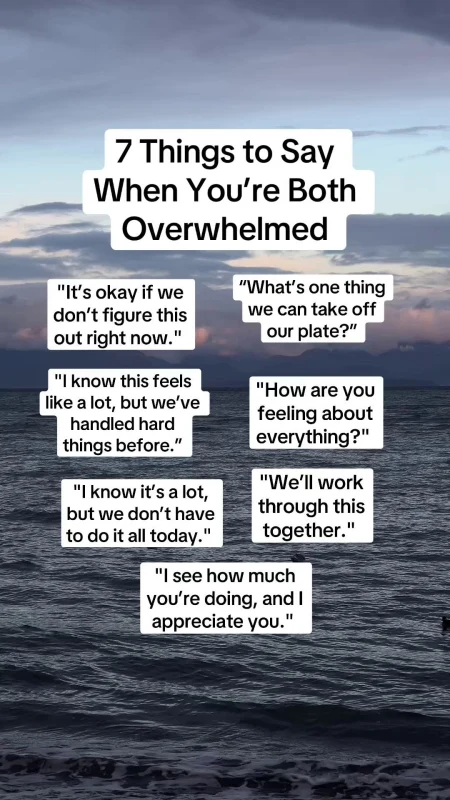
Therapists often remind couples to show they understand what their partner is feeling before trying to solve anything. A simple “I can see why you felt that way” can do more to build trust than rushing into a solution. Over time, these small moments of understanding help calm the nervous system and reinforce that closeness, even when you’re connecting through a screen.
In therapy models like Emotionally Focused Therapy (EFT), this process is called emotional attunement, learning to tune in to your partner’s feelings even when you can’t physically be there. Emotional safety in long-distance relationships comes from reliability and predictability: following through when you say you will, being emotionally available during check-ins, and showing that you care about your partner’s inner world.
When emotional safety grows, physical and romantic intimacy tend to follow naturally. Many couples discover that by rebuilding emotional comfort first, they rekindle desire and warmth in a deeper, more sustainable way.
How to Stay Connected When You’re Apart
Long-distance couples benefit from creating rituals that make love visible and consistent. Relationship therapists call these rituals of connection: small, predictable habits that reinforce security and affection. For example, some couples schedule a nightly check-in call, send a “good morning” or “good night” message every day, or share photos from small moments in their routine. Others create shared experiences from afar, like watching the same show together, reading the same book, or planning their next visit. These rituals remind both partners that they’re part of each other’s daily life, even when they’re apart.
Communicate With Intention
When you’re relying on texts or calls, it helps to be clearer and more intentional than you might be in person. Without tone or body language, it’s easy to read things the wrong way. Try slowing the conversation down just enough to make sure you understand each other, and share your feelings in a straightforward, calm way. This keeps the dialogue grounded and reduces the chance that small misunderstandings grow into something bigger.
Keep Curiosity Alive
It’s easy for long-distance conversations to become logistical. Instead of focusing only on updates, ask questions that spark curiosity:
- “What’s something that made you laugh this week?”
- “What’s been inspiring you lately?”
- “What do you wish I understood better about your day?”
Curiosity helps couples rediscover each other, even from miles away.
Balance Independence and Connection
Healthy long-distance relationships leave room for both togetherness and individuality. Each partner should maintain their own friendships, hobbies, and goals. This balance keeps the relationship energized and prevents over-dependence.
When both people feel fulfilled individually, they bring more energy, confidence, and curiosity to their time together.
How to Strengthen Your Relationship Between Visits
For many couples, the time between visits can feel like the hardest part. The excitement of seeing each other gives way to a countdown, and the in-between days can sometimes feel empty. But this period can also be a powerful opportunity to strengthen your bond in ways that physical proximity doesn’t always allow.
Build Anticipation Together
Shared anticipation, or having something to look forward to together, can boost happiness and help couples feel more connected. You can build that sense of anticipation by:
- Planning your next visit or shared project, even if it’s still months away.
- Creating a shared calendar with small details like what you’ll cook, where you’ll go, or activities you want to do together.
- Talking about the small moments you’re excited for, like a morning coffee together, a walk you’ll take, or a show you want to watch side by side.
These simple plans give both partners a sense of purpose and keep the relationship feeling active and alive between visits.
Share Small Daily Moments
Closeness doesn’t always come from grand gestures. It’s often built through the small exchanges that keep you part of each other’s world. Instead of waiting for something big to share, let your partner in on the small moments of your day. A quick video, a voice note, or a short update about something that made you smile or stressed you out helps you stay part of each other’s world.
Research from the Gottman Institute highlights that emotional intimacy thrives on “turning toward” moments, the everyday responses that say, “I’m here and I care.” Even short, thoughtful replies can maintain that sense of being emotionally present for one another.
Reflect on Growth
Use the distance as a time to reflect, individually and together. Ask yourself what the relationship is teaching you about patience, communication, or your own needs, and consider sharing those reflections with your partner. Many couples find that talking about growth, rather than only the struggle, keeps the relationship rooted in optimism and maturity.
Therapists often encourage couples to write letters or shared journal entries to express things that are harder to say in real time. Putting thoughts into words deepens self-awareness and strengthens emotional clarity between visits.
How to Manage Conflict From a Distance
Every couple experiences conflict, but distance can make it trickier to resolve. When you can’t read body language or offer a comforting hug, misunderstandings can linger longer. The goal isn’t to avoid conflict, but to handle it in ways that protect connection.
It’s helpful to keep disagreements off text whenever possible. Text removes tone and context, which can quickly escalate tension. Instead, save sensitive conversations for phone or video.
Another strategy is to schedule a “state of the relationship” call each week. Set aside time to share what’s working, what’s been stressful, and what you appreciate about each other. These structured conversations prevent resentment from building up silently.
Finally, remember that emotional processing takes time. One partner may need space while the other craves resolution. Acknowledging those differences and returning to the conversation later can protect the sense of teamwork even when opinions differ.
Conflict in long-distance relationships is a chance to practice communication and compassion in real time.
The Psychology of Longing and Missing Each Other
Missing your partner is one of the hardest parts of being apart, but it also plays an important role in connection. Longing activates the same parts of the brain that reinforce love and security. Missing someone reminds your nervous system of who matters most to you.
The key is learning how to hold that longing without letting it turn into fear or frustration. Therapists often teach couples to reframe missing each other as proof of care rather than loss. It can help to say, “I miss you, and that’s how I know what we have is meaningful,” instead of “I hate this distance.”
Small rituals of reassurance can help balance the ache of missing someone. Voice messages, handwritten notes, or simple texts like “thinking of you” tell the brain that the connection is still alive.
Understanding that longing is part of love can make the experience easier to carry. Instead of feeling like something is missing, that ache can deepen your appreciation for the moments you do get to share, turning each visit or conversation into something more meaningful.
Why Distance Isn’t the Real Problem
Many therapists remind couples that distance alone rarely causes relationships to fail. The real challenge lies in unspoken emotions. Frustration, insecurity, or loneliness that go unaddressed can put strain on the relationship.
When partners acknowledge those feelings instead of avoiding them, the connection strengthens. Each time you respond to your partner’s message, follow through on a plan, or validate their experience, you reinforce emotional safety.
When to Seek Professional Support
Sometimes couples reach a point where reassurance isn’t enough. Maybe conversations keep circling back to the same tension, or one partner starts feeling emotionally disconnected. That’s when professional support can make a difference.
A therapist can help you identify recurring patterns, manage conflict more effectively, and rebuild emotional safety. For long-distance couples, online therapy removes the barrier of logistics and allows both partners to join sessions from wherever they are.
Platforms like OurRitual offer expert-guided sessions and self-paced exercises that strengthen communication, rebuild trust, and make connection feel possible again.
You don’t have to wait until things feel broken to reach out for help. Long-distance relationship therapy isn’t only for crisis moments; it can also be a place to learn healthier ways of communicating and staying connected. Many couples find that getting support early on helps their relationship feel steadier and more grounded moving forward.
Conclusion
When you’re long-distance, things may look different day to day, but closeness is still something you can build together.
When couples approach it with intention, patience, and empathy, they often discover that distance can deepen trust and understanding.
With the right tools: emotional awareness, communication, and sometimes professional guidance, couples can turn the space between them into an opportunity for growth and resilience.
Love doesn’t only grow in easy seasons. It deepens in the waiting, in the late-night calls, and in the small moments where you choose to stay close even when it would be easier to drift. Distance doesn’t take love away; it asks you to nurture it differently, with patience, trust, and intention.
If you’re ready to strengthen your connection, explore OurRitual and discover expert-designed tools to help you stay close, wherever you are.
FAQs
What are the biggest long-distance relationship problems, and how can we address them?
The biggest long-distance relationship problems often include time zone differences, limited physical contact, and feelings of isolation or jealousy. These challenges can be managed through consistent communication, clear expectations, and honest discussions about emotional needs.
What are realistic expectations for a long-distance relationship?
Realistic expectations for a long-distance relationship include accepting that communication may take effort and that moments of loneliness are normal. Regular check-ins, shared plans for visits, and a clear understanding of each other’s needs help keep expectations grounded.
How often should long-distance couples communicate?
The ideal amount of communication depends on both partners. Many couples find that setting a steady rhythm, like a daily text or a weekly video call, helps both partners know what to expect. It keeps you connected without feeling like you have to talk all day or be available nonstop.
How do we build trust in a long-distance relationship?
Trust isn’t created through big gestures. It’s built through the smaller, consistent behaviors that show reliability. Being clear about your schedule, following through on shared plans, communicating when something changes, and staying emotionally engaged help your partner feel secure. These habits tell your partner that your words and actions match, which is what makes trust feel real.
How do we manage physical intimacy needs when we’re apart?
Navigating physical intimacy from afar means being honest about needs, comfort levels, and what helps you each feel connected. For some couples, that includes affectionate messages or playful conversations. For others, it might mean creating shared rituals or planning moments of closeness around visits. Checking in about boundaries and expectations helps both partners feel safe. With that emotional groundwork in place, physical intimacy tends to feel more easeful and connected during in-person time.
How can we keep our individual lives healthy while being in a long-distance relationship?
Stay engaged in your own friendships, routines, and hobbies. A healthy relationship, especially long-distance, grows best when both people feel rooted in their own lives. This independence creates emotional stability and reduces the pressure to have the relationship meet every need. When partners feel individually supported and connected to their own worlds, their time together tends to feel richer and more intentional.
How do we deal with stress, loneliness, or burnout in a long-distance relationship?
Acknowledge difficult emotions early and build a routine that supports both connection and rest. Balance regular contact with self-care, and don’t hesitate to reach out for professional guidance if loneliness feels overwhelming.
Can long-distance relationships become stronger than geographically close ones?
Yes. Research found that long-distance couples often build just as much emotional intimacy, and sometimes more, than couples who live in the same place. When you can’t rely on daily routines or physical closeness, you tend to communicate with more intention and express appreciation more openly. Those habits often become the backbone of a deeper, steadier connection over time.
When should a long-distance couple consider therapy or counselling?
Therapy can help when communication feels strained, trust issues keep resurfacing, or emotional distance continues despite effort. Professional guidance offers structure, tools, and perspective that help couples reconnect in a steady, supportive way.
If you’re feeling stuck or unsure how to move forward, you don’t have to sort it out on your own. OurRitual offers expert-designed online sessions and couples therapy exercises that can support you as you rebuild connection, at a pace that feels right for both of you.