





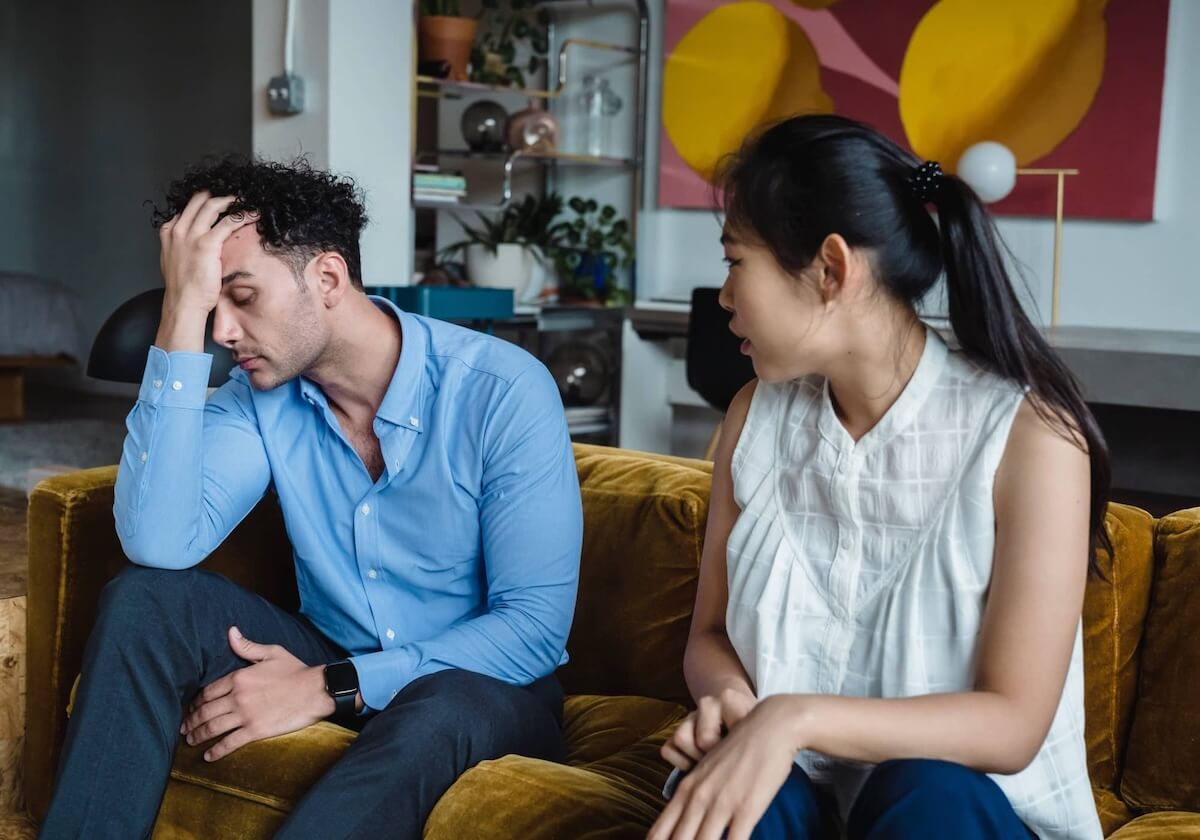

Finding a couples therapist can feel a little like dating all over again.
After more than ten years of this work, what I have learned that the right fit is something you feel as much as something you assess. Credentials and ways of working matter, but the real signal is how you felt during and after the session, is there rapport there, do you feel they understand you, can they challenge you in a supportive way. With the right person, both partners start to exhale. You stop defending and start being honest. With the wrong fit, you find yourself performing, changing how you behave, or leaving sessions feeling more alone, and that feeling is worth trusting rather than talking yourself out of, because this is another relationship after all.
Based on my experience, here's what to look for when choosing a couples therapist and how to know whether you've found the right match.
What to look for in a couples therapist
Choosing a couples therapist involves more than reading a short online bio.
The right therapist can help you identify unhealthy cycles, improve communication, rebuild trust, and strengthen emotional connection. In fact, according to research reported byPsychology Today, the right therapeutic relationship accounts for more than 30% of treatment outcomes— making it more influential than therapeutic technique or training.
The wrong fit may leave one or both partners feeling misunderstood, blamed, or frustrated.
Here are some of the most important factors to consider.
Relevant credentials and training
Look for a licensed mental health professional who has experience working with couples.
Depending on where you live, this may include psychologists, licensed marriage and family therapists (LMFTs), licensed professional counselors (LPCs), clinical social workers (LCSWs), psychotherapists, registered counselors, relationship counselors, or other qualified mental health professionals.
A therapist's credentials tell you they have completed professional education, supervised clinical training, and licensing requirements.
Experience working with couples
A therapist may see individuals and couples, but it's worth asking how much of their work focuses specifically on relationships.
Someone who regularly works with couples is more likely to have extensive experience helping partners navigate conflict, communication challenges, intimacy concerns, trust issues, and other relationship-specific concerns.
A balanced approach
One common fear people have about couples therapy is that the therapist will "take sides."
A skilled couples therapist works to understand both partners' experiences while helping the relationship itself become healthier.
You should feel that your therapist is interested in understanding both perspectives, even when they challenge unhealthy behaviors or patterns.
A style that feels comfortable
Some therapists are highly structured and goal-oriented. Others take a more exploratory approach.
Neither style is inherently better. What matters is whether the therapist's approach feels supportive and productive for you and your partner.
Many couples know within the first few sessions whether the therapist's communication style feels like a good fit.
Key questions to ask before your first session
You don't need to interview therapists like you're hiring an employee, but asking a few thoughtful questions can help you make an informed decision.
Consider asking:
- What experience do you have working with couples?
- What types of relationship concerns do you commonly help clients with?
- What therapeutic approaches do you use with couples?
- How do you handle situations where partners have very different perspectives?
- What does progress typically look like in your work with couples?
- How often do you recommend couples meet for sessions?
- Have you worked with couples facing challenges similar to ours?
The answers don't need to sound 100% "perfect." What you're really looking for is confidence, clarity, and a sense that the therapist understands relationship dynamics. You're also looking for rapport. Couples therapy is a relationship in itself, and both partners should feel reasonably comfortable talking openly with the therapist. Feeling heard, respected, and understood can make it easier to discuss difficult topics and engage fully in the process.
Pay attention not only to what they say but also to how they communicate. Do you feel heard? Do they seem curious and nonjudgmental? Do you feel comfortable asking questions?
Those impressions matter.
The role of specialty: does your therapist need experience with your specific issue?
In many cases, yes.
While general couples therapy skills are important, some relationship challenges benefit from specialized experience.
For example, couples navigating infidelity may benefit from a therapist who has experience helping partners rebuild trust after betrayal.
Couples dealing with intimacy concerns may feel more comfortable working with someone who has training in human sexuality and desire differences.
Other areas where specialized experience can be valuable include:
- High-conflict relationships
- Parenting disagreements
- Premarital counseling
- Attachment issues
- Life transitions
- Long-distance relationships
- Blended families
- Cultural or religious differences
- LGBTQ+ relationships
- Neurodivergent relationships
You don't necessarily need someone who has seen your exact situation before. However, finding a therapist familiar with the types of challenges you're facing can help sessions feel more relevant and effective.
Does gender, culture, or identity matter when choosing a therapist?
For many people, it does.
Some couples feel more comfortable with a therapist of a particular gender. Others prefer someone who understands their cultural background, faith tradition, sexual orientation, relationship structure, or life experiences.
There's no right or wrong answer.
What's important is recognizing that comfort and trust are essential parts of the therapeutic process. If certain aspects of a therapist's identity help you feel safer, more understood, or more willing to open up, those preferences are worth considering.
At the same time, it's helpful to remember that effective therapists are trained to work with people whose experiences may differ from their own.
The goal isn't necessarily finding someone exactly like you. It's finding someone who can understand, respect, and support your unique relationship.
Online vs. in-person couples therapy: which is right for you?
Both online and in-person therapy can be highly effective.
The best choice often comes down to logistics, preferences, and lifestyle.
Benefits of online couples therapy
Online therapy can offer:
- Greater flexibility
- Easier scheduling
- Access to a wider range of specialists
- Convenience for busy couples
- Support when partners live in different locations
Many couples find that removing travel time makes it easier to stay consistent with therapy.
Benefits of in-person couples therapy
Some couples prefer meeting face-to-face because they feel more connected and focused during sessions.
In-person therapy may also appeal to people who want a dedicated space outside their home for difficult conversations.
Which is better?
That’s up to you.
The most effective therapy is often the therapy you'll actually attend consistently.
For many couples, online therapy makes support more accessible without sacrificing quality.
Experts are matched to your needs and schedule
At OurRitual, finding the right therapist isn't something you have to figure out alone. Your first session is with a matching specialist who takes the time to understand your preferences and needs, including therapist gender, race, location, and area of specialty.
This helps us connect you with the Relationship Expert who's truly the right fit for you and your partner. And if your needs change or the connection isn't quite right, you can switch your Expert anytime, no questions asked.
Red flags to watch out for
Most therapists genuinely want to help their clients. Still, there are a few warning signs worth paying attention to.
A couples therapist may not be the right fit if they:
- Consistently take one partner's side
- Dismiss one partner's concerns
- Make you feel judged or shamed
- Ignore important relationship dynamics
- Promise quick fixes or guaranteed outcomes
- Lack experience working with couples
- Create an environment where one partner feels unsafe speaking honestly
It's normal to feel uncomfortable at times in therapy. Growth often involves discussing difficult topics.
However, there's a difference between productive discomfort and feeling unsupported or misunderstood.
Trust your instincts.
It's also important to know that couples therapy is not appropriate for every situation. When there is active domestic violence, coercive control, or fear of retaliation from a partner, joint sessions may not be safe. In these cases, individual support and safety planning are often more appropriate than relationship-focused work.
What if it's not working? When (and how) to switch therapists
Many couples worry that changing therapists means they've failed.
It doesn't.
Finding the right therapist is sometimes a process. Even highly qualified therapists won't be the best fit for every couple.
Before deciding to leave, consider discussing your concerns directly with your therapist. Good therapists welcome feedback and may be able to adjust their approach.
You might say:
- We're not sure we're making progress
- We're struggling to feel understood
- We'd like more structure in sessions
- We feel stuck discussing the same issues
Sometimes these conversations lead to meaningful improvements.
If not, it's perfectly acceptable to seek a different therapist.
In fact, finding a better fit may be one of the healthiest decisions you can make for your relationship.
The goal isn't loyalty to a particular therapist. The goal is finding support that helps your relationship grow.
.avif)


.avif)
.avif)
.avif)
.avif)