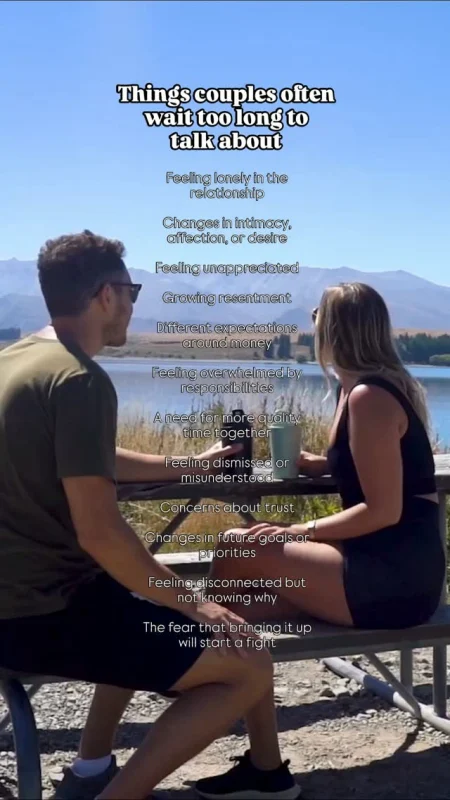






Sometimes in relationships, conflict does not look explosive or dramatic. Instead, it shows up more quietly. A conversation starts normally, then one partner becomes harder to reach. Their responses get shorter, their energy changes, or they begin pulling away emotionally in ways that are difficult to fully explain in the moment.
If you’ve experienced this dynamic in your relationship, you already know how emotionally disorienting it can feel. Many partners describe it as trying to reach someone who suddenly becomes unavailable right in front of them. Over time, the issue usually becomes bigger than a single argument. The silence itself starts carrying emotional weight.

• A partner shutting down during conflict usually reflects overwhelm, not lack of care. Many people enter a freeze response when emotions run high and genuinely struggle to speak in the moment.
• Most communication problems come from mismatched styles, not bad intentions. Pursuers seek connection through talking, while withdrawers seek safety through pause, and awareness helps break the cycle.
• Effective communication starts with empathy and timing. Using calm settings, respectful pacing, and “I” statements makes conversations safer and more productive.
• Listening and validation matter as much as speaking. Active listening, clear expectations, and attention to non-verbal cues strengthen trust and openness.
• Repeated avoidance can signal deeper relationship issues. If patterns remain stuck or painful, structured support, such as therapy, can help create lasting change.
What makes this pattern especially difficult is that it often gets misunderstood. One partner experiences the shutdown as rejection or indifference, while the other may feel emotionally flooded, overwhelmed, or unable to access words at all.
Therapists often notice that couples get stuck not because they do not care about each other, but because both partners are reacting to stress in very different ways.
In this article, we’ll explore why some partners shut down during conflict, what these communication patterns can look like in daily life, and practical ways couples can begin reconnecting without escalating the cycle further.
By the end of this article, you’ll understand:
- why some partners emotionally shut down during conflict
- the difference between unwillingness and emotional overwhelm
- how communication styles quietly affect relationship dynamics
- what therapists often notice beneath repeated silence patterns
- practical ways to reconnect without increasing pressure
Why Do Some Partners Shut Down During Communication?
When one partner goes quiet during conflict, the other often assumes it is intentional. They assume indifference or stubbornness.
In hundreds of sessions, I have usually seen something else entirely.
Some of this is easier to work through with someone guiding the conversation.
Nervous System Responses: Fight, Flight, Freeze
When conversations become emotionally charged, the nervous system shifts automatically. Some partners escalate. Their voice rises. They defend themselves quickly. Others walk away or shut their laptop during an online argument.
And many freeze.
Freeze can look like checking out. It can look like someone saying, “I don’t know,” over and over again. But internally, their system is overloaded. Words feel inaccessible. Thoughts slow down. The body is bracing even if the outside appears calm.
I’ve had clients say afterward, “I wasn’t trying to ignore her. I just couldn’t think.”
That difference matters.
The difficult part is that many couples misread this moment entirely, which is where communication cycles often begin escalating.
Learned Communication Patterns From Childhood
Communication patterns do not begin in adulthood. If someone grew up in a home where expressing emotion led to criticism, yelling, or withdrawal, silence may have felt safer.
When stress rises in an adult relationship, those early adaptations often resurface automatically. It is rarely conscious.
Fear of Conflict, Criticism, or Emotional Overwhelm
Some partners withdraw because they fear escalation. They worry that if they continue speaking, they will say something damaging or that the conversation will spiral beyond control.
In those moments, pulling back feels protective.
What This Can Look Like in Real Life
A couple may sit down to discuss something relatively small, like finances or household responsibilities, and within minutes one partner becomes noticeably quieter. They stop making eye contact, give short answers, or say they are “fine” even though tension is clearly present.
The other partner often experiences this as avoidance or emotional distance, which increases frustration and urgency. They push harder for clarity, reassurance, or answers. Meanwhile, the withdrawn partner becomes even more overwhelmed internally.
What makes this cycle difficult is that both people are usually reacting to stress rather than intentionally trying to hurt each other.
Unwillingness vs. Inability to Communicate
This distinction changes how couples respond to each other.
There is a difference between refusing to engage and struggling to access language under stress. When inability is treated as defiance, pressure increases. Increased pressure makes communication harder. The cycle intensifies.
Understanding this shift alone often reduces tension in the room.
What surprises many couples is that the issue usually is not the silence itself. It is the meaning both partners attach to it.
Communication Styles in Couples (And How to Adapt)
Most couples do not struggle because one partner lacks communication skills. They struggle because their coping strategies are different.
Avoidant vs. Expressive Communicators
In many relationships, one partner moves toward tension by talking. The other regulates by stepping back. The expressive partner feels anxious when issues linger. The avoidant partner feels anxious when conversations escalate quickly.
The more urgently one pushes, the more the other retreats. I have watched this dynamic unfold repeatedly in sessions. Both partners believe they are trying. Both feel unheard.
Logical vs. Emotional Processors
Some people think through conflict first. They want clarity, facts, structure. Others experience emotion immediately and need acknowledgment before problem-solving can happen.
When these styles collide, one partner may describe the other as “too emotional.” The other may describe their partner as “cold.” In reality, they are processing at different speeds.
Verbal vs. Non-Verbal Communicators
Communication is rarely only about words. Tone, pacing, posture, facial expression, and even silence influence how conversations feel emotionally.
In online sessions, even small details matter. One partner leans back with arms crossed. Another leans forward with softened eyes. Those cues shape how words land.
Sometimes the message is less about what is said and more about how it is delivered.
How Mismatched Styles Create Misunderstandings
When partners assume their communication style is correct, frustration multiplies. Adaptation creates connection. Sameness is not required.
What Mismatched Communication Often Looks Like
One partner may want to resolve conflict immediately because uncertainty feels emotionally uncomfortable. The other may need time to process before responding clearly.
Without understanding these differences, couples often start interpreting coping styles as personality flaws. One person feels abandoned. The other feels pressured. Conversations become less about the original issue and more about managing each other’s reactions.
Over time, even small disagreements can begin triggering the same exhausting pattern.
The good news is that communication patterns are usually more flexible than they initially feel. Small shifts in timing, tone, and emotional safety can change conversations more than couples expect.
10 Communication Tips for Dealing With a Partner Who Won’t Communicate
#1 Get to the Root Cause
Before reacting to silence, pause. Communication struggles often have context. External stress, unresolved past experiences, fear of confrontation, or learned family patterns can all play a role.
Approach with curiosity. Ask questions that invite reflection rather than accusation.
#2 Encourage Open Dialogue
People speak more freely when they feel emotionally safe.
Use “I” statements. For example, “I feel disconnected when we stop talking about things. I want to understand what’s happening for you.” This reduces defensiveness and keeps the focus on experience rather than blame.
#3 Be Patient and Respect Their Boundaries
Processing speed varies. Some partners need time before they can articulate what they feel.
Avoid forcing the conversation to happen immediately. Let your partner know the topic matters while allowing space.
#4 Opt for the Right Time and Place
Timing changes outcomes. Conversations started in the middle of an argument rarely end productively.
Choose calmer moments. A neutral environment, even something as simple as a walk, often shifts the tone.
#5 Don’t Forget to Actively Listen
When your partner does open up, your response influences whether they will do so again.
Reflect back what you hear. Actively listen. Avoid interrupting. Resist moving straight into solutions.
#6 Speak With an Expert
Some communication patterns are deeply ingrained. A trained therapist can help slow the cycle and identify blind spots that feel invisible from inside the relationship.
If flexibility and affordability are important, online relationship guidance from OurRitual offers structured support tailored to real schedules.
#7 Foster Trust
Trust grows through consistency. It grows when vulnerability is met with steadiness rather than criticism.
In relationships where communication has become strained, trust often starts feeling fragile long before couples openly talk about it. In fact, 78% of couples who identified trust issues as their main concern rated it as urgent to address.
What makes this important is that emotional shutdown and communication struggles can quietly erode trust over time, especially when partners begin feeling misunderstood, dismissed, or emotionally alone.
Be reliable. Follow through. Emotional safety develops gradually, often through small moments of consistency more than big conversations.
#8 Remember Communication Isn’t Always Vocal
Non-verbal cues influence how words are interpreted.
Pay attention to tone, posture, and facial expression. Make sure they align with the message you intend to send.
#9 Make Your Expectations Clear
Unspoken expectations often create unnecessary tension.
Discuss how often you want to check in, what topics feel important, and how disagreements should be handled.
#10 Work on Your Communication Style
Communication is a shared responsibility.
Reflect on your habits. Journaling or quiet self-reflection can help you notice patterns you may not see in the moment.
When Communication Problems Signal a Bigger Issue
Not every communication struggle means the same thing.
Stonewalling vs. Healthy Boundaries
Taking a pause can be healthy. A partner might say they need time and suggest returning to the conversation later. That pause contains reassurance.
Stonewalling feels different. It involves disengaging repeatedly without returning to repair. Over time, that creates insecurity.
This distinction matters more than many couples realize because healthy space and emotional withdrawal can look surprisingly similar at first.
The pattern over time matters more than a single instance.
Avoidance as a Pattern
When difficult conversations are consistently postponed, resentment builds quietly. Small conflicts begin to represent larger unresolved issues.
What happens next is often misunderstood. Many couples assume the relationship itself is failing, when in reality they have simply fallen into a communication cycle neither partner knows how to interrupt yet.
When Communication Masks Deeper Dynamics
Sometimes communication problems reflect deeper relational dynamics such as unresolved hurt, power imbalance, or lack of emotional safety.
Red Flags vs. Normal Struggles
Occasional shutdown is human. Chronic dismissal, contempt, or fear of speaking honestly may signal the need for additional support.
When communication problems start repeating in the same painful ways, many couples benefit from having outside structure and guidance. Patterns that feel impossible to shift alone often become easier to understand when someone helps slow the cycle down in real time.
OurRitual was designed to make relationship support feel more accessible and manageable for everyday life, especially for couples balancing busy schedules, emotional overwhelm, or hesitation around traditional therapy.
Here’s how it works:
- You work with a trained professional offering evidence-based interventions.
- Between sessions, you receive weekly videos and exercises tailored to your goals.
- Your dedicated expert helps you integrate new skills into everyday life.
If you are struggling with repeated communication breakdowns, shutdown patterns, or feeling stuck in the same conversations, OurRitual offers structured support to help you move forward. Alongside your weekly Expert sessions, you will be assigned a personalized Pathway, a series of guided videos, therapy exercises, and practical tools designed to help you apply what you are learning in real time. The work continues between sessions, where meaningful and lasting change often begins.
If this pattern feels stuck, we can match you with someone who works with exactly this.

.avif)

.avif)
.avif)
.avif)
.avif)
.avif)