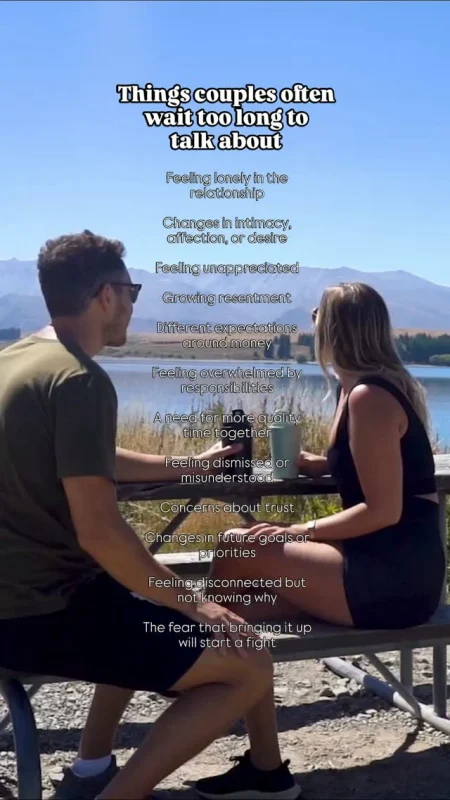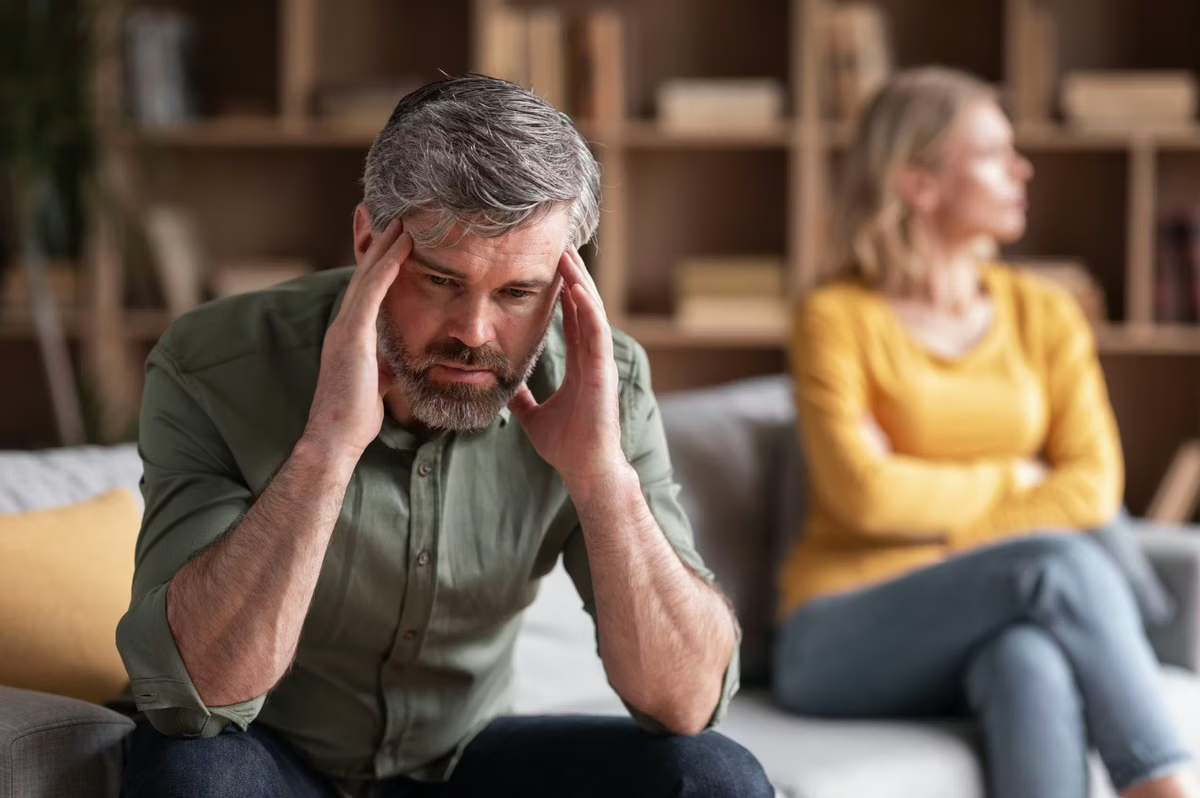


You love your partner. Things are going well. But you can’t stop worrying that something's about to go wrong. Relationship anxiety can leave you second-guessing everything.
And while some of those worries may be tied to past experiences or personal insecurities, others might be worth paying attention to. Figuring out where your anxiety is coming from can help you understand what actually needs your attention.
So how do you stop overthinking every little thing and start feeling more secure in your relationship? Here's what you need to know about relationship anxiety, what causes it and how to manage it without letting it take over.

- Relationship anxiety can involve overthinking, fear of abandonment and a constant need for reassurance.
- Past experiences, attachment patterns and low self-esteem can contribute to anxiety, even in healthy relationships.
- Questioning anxious assumptions and becoming more comfortable with uncertainty can help you manage your reactions.
- Your partner can offer support, but managing anxiety also involves working on your own responses and habits.
- If anxiety is affecting your daily life or relationship, professional support may help.
What is relationship anxiety?
Relationship anxiety is a pattern of persistent worry, doubt or insecurity about a romantic relationship. You might fear that your partner will leave, question whether they really love you or worry that something is wrong even when things are going well.
These concerns can lead to overthinking, reassurance-seeking and difficulty feeling secure.
Relationship anxiety may be influenced by past experiences, low self-esteem or an anxious attachment style. Sometimes, relationship anxiety can stem from real problems in your relationship, so it's important to understand what's actually going on between you and your partner.
Having occasional doubts is normal. Anxiety becomes more concerning when your worries are frequent, difficult to manage or start affecting how you behave in your relationship.
Common signs of relationship anxiety
Common signs of relationship anxiety include overthinking everyday messages, fearing sudden abandonment, and constantly seeking reassurance. Individuals with relationship anxiety also struggle to trust their partner and anticipate future problems during stable periods. These persistent thought patterns drive unnecessary emotional distress and gradually strain healthy romantic connections.
Overthinking conversations and messages
You find yourself rereading texts, analyzing your partner's tone or wondering whether a harmless comment meant something more. Even a delayed reply can leave you questioning whether you've done something wrong.
Fear of abandonment
There's an ongoing worry that your partner might leave, lose interest or stop loving you. Even a small shift in their mood can feel like a warning sign that something is wrong with your relationship.
Constantly seeking reassurance
There are different ways you might seek reassurance in a relationship. It can be direct, like asking your partner if they still love you or if they're going anywhere. Other times, it's more subtle, like looking for signs of affection, checking their reactions or changing how you normally behave to keep them happy. The reassurance might help you feel better for a while, but eventually the worry comes back, and you find yourself seeking it all over again.
Difficulty trusting your partner
Even when your partner gives you no reason to doubt them, you might find it hard to fully trust what they say or believe how they feel about you. You may catch yourself looking for signs that they're hiding something or losing interest, especially if you've been hurt in the past.
Expecting something to go wrong
Even when things are going really well, you can't quite shake the feeling that something bad is around the corner. You might find yourself looking for problems that aren't there, overthinking perfectly normal interactions or worrying that the happiness you're feeling is too good to last.
What causes relationship anxiety?
Relationship anxiety often develops from a combination of past experiences, personal insecurities and attachment patterns.
If you’ve experienced betrayal, rejection or unpredictable relationships, you may be especially sensitive to situations that remind you of being hurt.
Anxious or insecure attachment patterns can also contribute to relationship anxiety. People who grew up with inconsistent emotional support or experienced uncertainty in previous relationships may find it harder to feel secure when they don't know exactly what their partner is thinking.
Low self-esteem can make these worries worse. If you struggle to believe you're worthy of love, you may question your partner's feelings despite their affection and commitment.
Major changes, such as moving in together, getting married or having a child, can bring up new insecurities. Social media comparisons may also leave you questioning whether your relationship measures up.
Why anxiety can show up in a healthy relationship
Even when you're in a happy, healthy relationship, you might find yourself waiting for something to go wrong. If you're used to uncertainty or instability, having a partner who's loving and consistent can feel surprisingly unfamiliar.
Sometimes, it takes time to get comfortable with the stability you've always wanted. Your mind may still be on high alert, even when there's no clear reason to worry.
How to deal with relationship anxiety
You can't always control anxious thoughts, but you can change how you respond to them. Here are some practical ways to manage relationship anxiety and feel more secure.
Fact-check your anxious thoughts
When you're anxious, it's easy to confuse an assumption for fact.
Your partner seems quieter than usual, and you immediately assume they're upset with you.
Before accepting that explanation, consider what you actually know. Have they said something is wrong? Have they been distant for several days, or are they simply having a quiet evening?
If your partner hasn't replied for three hours, that's a fact. Assuming they're ignoring you because they're losing interest is an interpretation.
There may be other explanations. Give yourself room to consider them before reacting.
Learn to tolerate uncertainty
No relationship comes with complete certainty. You can't always know what your partner is thinking or what the future holds, and when you're anxious, that can be hard to accept.
Start small. If your partner seems distracted, try not to immediately ask whether something is wrong. Give yourself time to see whether the feeling passes or there's something you genuinely need to discuss.
The more comfortable you become with not having every answer right away, the less pressure you'll feel to act on every worry.
Cut back on reassurance-seeking
Asking your partner for reassurance is normal, but constantly needing it can become a cycle that's hard to break.
Try to notice whether you're seeking reassurance because something has actually happened or because you're feeling anxious. If you've already discussed a concern, give yourself some time before bringing it up again. Remind yourself of what your partner said and ask whether anything has really changed since then.
Practice counter-protest behaviors
When you're afraid of losing someone, you might react in ways that unintentionally push them away. These are sometimes called protest behaviors, like sending repeated messages, pulling away to see if your partner notices or starting an argument to get their attention.
Counter-protest behaviors are about recognizing those urges and choosing a healthier response. For example, if your partner hasn't replied and you feel the urge to keep texting, try putting your phone away and focusing on something else. If you're tempted to withdraw affection to see whether they'll chase you, tell them directly that you're feeling insecure and could use some closeness.
The idea is to communicate what you actually need rather than testing your partner's feelings or acting out of fear.
Set digital boundaries
Phones can make relationship anxiety harder to manage.
Checking when your partner was last online, looking at who they've followed or rereading messages for hidden meanings can keep you focused on your worries.
Try limiting how often you check your partner's activity or setting aside time when you're not looking at your phone.
If social media comparisons leave you questioning your relationship, consider taking a break from that content.
Keep your own life and identity
It's easy to let your relationship take up most of your attention when you're feeling anxious. You might start canceling plans to spend more time with your partner or find it hard to enjoy yourself when you're apart.
Make sure you're still making time for friends, hobbies and the things you enjoy doing on your own. Having a life outside your relationship can help you feel more confident and make time apart feel less overwhelming.
Use mindfulness and grounding
Relationship anxiety can take a physical toll, too. You might notice your heart racing, your body tensing up or a general feeling of restlessness when something triggers your worries.
Before reacting, give yourself a moment to calm down. Take a few deep breaths, go for a walk or try a grounding exercise, like naming five things you can see, four you can feel and three you can hear.
Giving yourself time to settle can help you think more clearly before deciding whether something actually needs your attention.
How to let go of past relationship anxiety
Past relationships can leave you carrying fears into new ones, even when your current partner hasn't given you a reason to worry. If an ex repeatedly lied about where they were, for example, a last-minute change of plans might bring back that same feeling of distrust.
The important thing is to recognize when you're reacting to something happening now and when an old experience is influencing how you feel. Give your current partner the chance to build trust with you through their own actions, rather than holding them to the expectations your past relationships created.
And remember, rebuilding trust takes time. You don't have to force yourself to feel completely secure overnight. Focus on the progress you're making and the positive experiences you're building together.
If past experiences are still having a significant impact on your relationships, talking to a mental health professional can help you work through them.
How to talk to your partner about relationship anxiety
Opening up about relationship anxiety isn't always easy, especially when you're worried about coming across as needy or making your partner feel like they've done something wrong. But talking about what you're experiencing can help them better understand you and figure out how to support you.
Preparing for the conversation
Timing matters. Try to bring it up when you're both calm and have time to talk, rather than in the middle of an argument or when you're feeling particularly anxious.
Before the conversation, think about what you'd like your partner to understand and what might help you feel more secure. Maybe you'd appreciate more consistency with plans or a little more quality time together. Having a clearer idea of what you're feeling and what you need can help you express yourself without the conversation turning into a list of worries.
How to frame the discussion
Try to explain how you're feeling without making your partner feel like they're being blamed. Focus on your own experience and give them a chance to understand what's going on.
For example, you could say:
"I've noticed I sometimes get anxious when we haven't talked much during the day. I know you're busy and it doesn't necessarily mean anything is wrong, but it's something I've been struggling with and wanted to share with you."
Make sure it's a two-way conversation. Your partner may have their own feelings or perspective to share, and hearing each other out can help you find a way forward together.
If these conversations often turn into arguments or misunderstandings, it may help to explore why communication can be difficult in relationships.
How to define your needs
Be specific about what would help you feel more secure. Maybe it's a quick check-in during a busy day or setting aside some time to reconnect in the evening.
It's also worth talking about how you'd like to handle moments when anxiety comes up. Your partner can offer reassurance and support while you work on managing those feelings without needing constant reassurance.
Find an approach that feels comfortable for both of you, and remember to acknowledge the effort your partner is making.
When to seek professional support for relationship anxiety
If anxiety is affecting your wellbeing or creating ongoing difficulties in your relationship, additional support may help.
Signs it's time to get help
Consider seeking professional help if you're spending hours worrying about your relationship, struggling to sleep or experiencing frequent physical symptoms such as a racing heart or tension.
You might also find yourself repeatedly checking, testing or questioning your partner, or avoiding closeness because you're afraid of being hurt. These patterns can become difficult to manage without support.
It's also important to recognize when concerns involve genuine relationship problems. Repeated dishonesty, controlling behavior or intimidation should be taken seriously.
If recurring disagreements are affecting your relationship, understanding high-conflict relationship patterns may help.
If abuse or a safety concern is involved, seek appropriate specialist support. OurRitual's emergency resources provide information about where to find help.
Individual support for anxiety
Individual therapy can help you explore the thoughts, experiences and behaviors contributing to relationship anxiety.
Cognitive behavioral therapy (CBT) focuses on identifying unhelpful thinking patterns and developing different ways to respond to them. Attachment-based approaches may explore how earlier relationships influence your expectations and emotional responses.
A qualified mental health professional can help you determine which approach is appropriate for your needs.
For individuals looking for relationship guidance rather than clinical treatment, OurRitual Solo offers support with communication, relationship patterns and personal goals, even if your partner isn't participating.
Getting relationship anxiety support together as a couple
Couples counseling can help partners explore communication difficulties, recurring disagreements and how anxiety affects their relationship.
OurRitual offers an alternative to traditional couples therapy through relationship support and guidance for couples.
You'll be matched with a relationship Expert who can help you work through challenges together. OurRitual also offers a match guarantee, allowing you to request a different Expert if the initial match doesn't feel right.
Between sessions, personalized Pathways in the app provide videos, exercises and opportunities to reflect on your relationship.
Learn more about OurRitual vs. traditional couples therapy.
Ready to work on your relationship? Get started with OurRitual.