.avif)





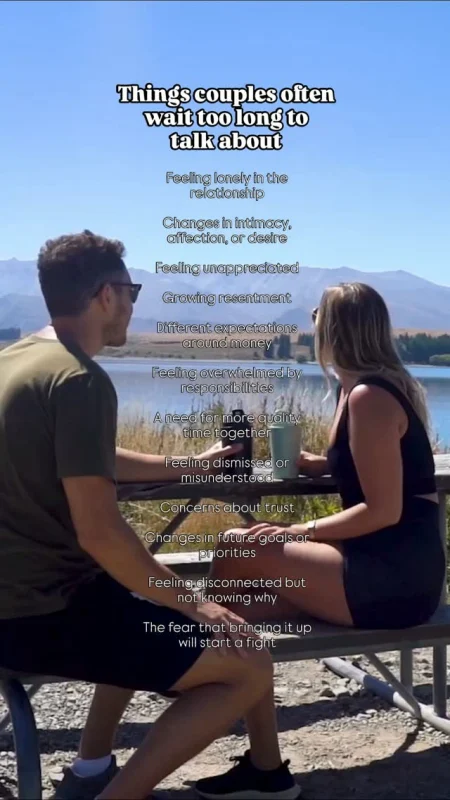
It can be both frustrating and relieving once you and your partner decide that your relationship may benefit from support only to wonder if it's even possible when you're living miles apart.
Every couple has their reasons why they have accepted a long-distance relationship: maybe you're living in different cities because of work, maybe you're navigating military deployment, studying abroad, or waiting on visas. Whatever brings the distance, couples therapy is possible!
Long-distance couples can absolutely do therapy together online. In fact, for many couples, starting sooner rather than later helps prevent small communication problems from becoming bigger ones. Due to technology, relationship support is more accessible than ever.
This guide explains how long-distance couples therapy works, when to start, what to look for in a platform, and which approaches tend to be the most helpful.

- Long-distance couples can attend therapy together online.
- You don't have to wait until you're in the same place to start.
- Flexible scheduling and virtual sessions make therapy possible across busy lives.
- The best platforms are designed for remote collaboration between partners.
- Therapy can help couples reconnect, make future plans, and decide how to navigate the distance together.
Long-distance couples can use OurRitual
On OurRitual, both partners can join the same video session from different locations, whether that's different cities, states, provinces, or countries.
Couples in long-distance relationships are already used to connecting through screens, gaming, and apps! Here at OurRitual you are connecting the same way except you are connected with a relationship expert that adds guidance.
What makes long-distance relationships unique?
Every relationship requires verbal communication however, long-distance relationships rely on it (almost) exclusively.
When you can't hug after an argument or spend an ordinary evening together, even small misunderstandings can feel bigger than they are. Text messages leave room for interpretation. Video calls can feel rushed after long workdays. Time apart often means partners experience important moments separately.
Over time, couples may notice challenges like:
- Feeling emotionally disconnected despite talking every day.
- Misunderstandings caused by texting instead of face-to-face conversations.
- Different expectations about communication frequency.
- Loneliness or insecurity when life becomes busy.
- Difficulty planning visits or discussing when the distance will end.
None of these automatically mean the relationship is failing. They simply reflect the extra work distance asks couples to do.
Many of these challenges can improve with more intentional communication, healthier ways of navigating conflict, and shared planning. These are all topics that can be supported in therapy.
How online couples therapy works
Most couples schedule a video session where both partners join from their own locations. During the session, your relationship expert helps you understand recurring patterns, improve communication, and work toward shared goals.
Depending on the platform, you'll also have access to resources between sessions, such as guided exercises, reflection prompts, or communication activities that help you continue making progress throughout the week.
Instead of waiting until your next appointment, you're building new habits during the conversations you're already having every day with your partner..
For example, you might practice:
- Responding differently during recurring arguments.
- Creating meaningful daily check-ins instead of routine updates.
- Expressing reassurance in ways your partner actually experiences as supportive.
- Planning visits without letting logistics dominate every conversation.
- Talking openly about fears, expectations, and future plans.
Small changes often have a surprisingly big impact because long-distance couples spend so much of their relationship communicating.
What to look for in a platform for long-distance couples
Not every online therapy platform is designed with long-distance relationships in mind.
When comparing options, look for features that make participating together as easy as possible.
Flexible scheduling
Partners may live in different time zones or have completely different work schedules. Evening availability and flexible appointments can make consistency much easier.
Separate logins for both partners
Each person should be able to join securely from wherever they are without unnecessary technical hurdles.
Between-session support
Practicing new communication habits between appointments helps reinforce what couples learn during sessions. Platforms that include guided exercises or ongoing support can make those conversations easier to continue.
Relationship-focused expertise
Long-distance relationships face challenges that differ from couples who see each other every day. Choosing relationship experts with experience supporting couples through communication, attachment, trust, and transitions can make sessions feel more relevant.
Should you wait until you're in the same place to start?
Many couples tell themselves they'll work on the relationship once the distance is over. The problem is that unresolved communication patterns often travel with you.
Living together doesn't automatically solve recurring arguments, emotional distance, or different expectations around communication. In fact, moving in together can introduce entirely new stressors alongside the old ones.
Starting therapy while you're still long distance allows you to build healthier habits before another major transition.
It can also make moving in together feel less overwhelming because you've already practiced discussing difficult topics as a team.
If you're unsure whether the relationship is ready for that next step, therapy can provide a structured space to explore those conversations together.
The best therapy approaches for long-distance couples
There isn't one perfect approach for every couple. Instead, the most effective support usually depends on the challenges you're facing. Many relationship experts draw from several evidence-based approaches, including:
Emotionally focused approaches
These help partners understand the emotions underneath recurring arguments and strengthen emotional connection.
Communication-focused approaches
These teach couples how to listen more effectively, repair misunderstandings, and respond to each other's bids for connection.
Cognitive and behavioral approaches
These can help partners recognize unhelpful assumptions, challenge anxious thought patterns, and develop healthier ways of responding during conflict.
Mindfulness-based strategies
These encourage couples to slow down during emotionally charged moments, communicate more intentionally, and become more aware of recurring relationship patterns.
Before we go….
Distance doesn't prevent couples from growing together. I have had the greatest privilege in seeing how couples therapy can bring long distance couples closer and stronger. Long distance couples therapy highlights how important communication, trust, and emotional connection really are.
I introduce practical tools to help long distance couples build resilience and strengthen the connection they already have together. Therapy can help couples develop psychological flexibility and the therapy is just as effective when living in different locations. You don't have to wait until the distance is over to start building a stronger relationship




.avif)
.avif)
.avif)
.avif)