





New data from OurRitual shows 70% of couples dealing with intimacy issues say the problem is urgent to address , yet 54% say they rarely feel heard by their partner, and 55% say they don't feel understood. The issue isn't usually a lack of love. It's a loss of the conditions that make closeness feel safe.
Why Intimacy Starts to Feel Hard
I’ve sat with so many couples who technically “know” this, but still feel stuck. In sessions, this is how it usually sounds. One partner says, “I miss being touched. That’s how I feel close to you.” The other doesn’t disagree, but you can see their shoulders tighten. “When you reach for me,” someone might say, “my brain jumps straight to the idea that I’m going to disappoint you.” Both partners want closeness, yet the moment still goes sideways. Touch, which once felt easy, now carries pressure.

- Emotional safety supports physical intimacy. When partners feel understood, supported, and accepted, physical closeness tends to feel more natural and less pressured.
- Intimacy involves more than sex. Everyday gestures like hugs, hand holding, and sitting close together help maintain connection and reinforce emotional bonds.
- Stress, mismatched desire, and daily responsibilities can weaken intimacy over time. Recognizing these pressures helps couples address the deeper causes of disconnection.
- Small, consistent moments of connection strengthen relationships. Regular check-ins, active listening, and non-sexual touch help rebuild emotional closeness.
- Rebuilding intimacy takes patience and intention. When couples focus on emotional connection first, physical intimacy often returns naturally as trust and safety grow.
That’s why couples often need to rebuild emotional intimacy and connection before focusing on physical closeness. As emotional intimacy grows, physical affection tends to return with far less tension. Feeling emotionally safe makes vulnerability possible. When couples understand how the different layers of intimacy interact, they can start making practical changes that help connection return in a more sustainable way.
Let’s discuss in detail how you can build emotional intimacy, improve physical connection, and strengthen your relationship.
What is Emotional Intimacy in a Relationship, and Why Does it Fade?
Many people think intimacy mainly refers to sex. In practice, intimacy is the overall feeling of closeness that exists between partners.
Emotional closeness. Physical affection. Intellectual connection. The quiet sense that you and your partner are on the same team.
When couples realize this, it often changes how they understand their problem. Many people walk in thinking their relationship has a sexual issue. After spending some time talking, it often becomes clear that something deeper is missing. The issue usually isn’t only about sex.
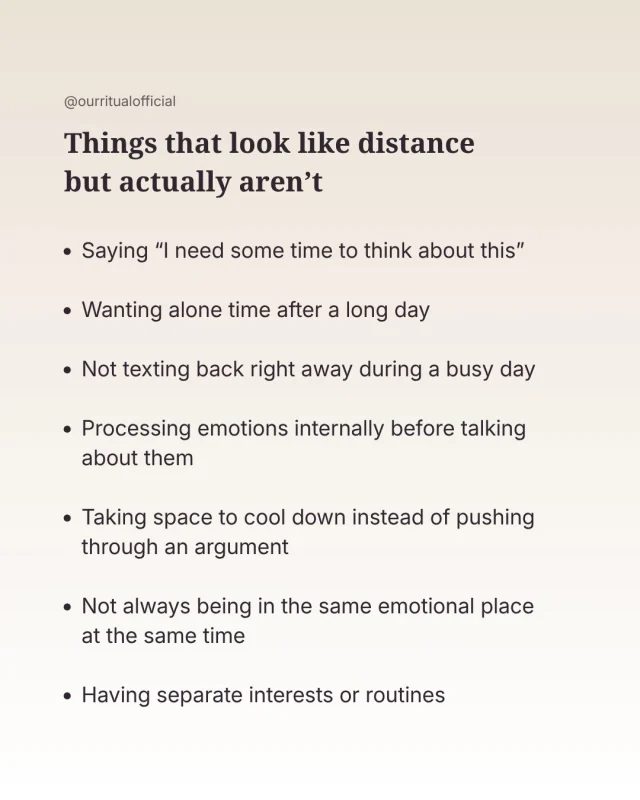
What many couples are really noticing is that they don’t feel the same emotional connection in the relationship that they once did.
Physical intimacy still plays an important role in relationships, but it includes much more than sexual moments. Small gestures often carry the most meaning. Holding hands while walking together, a hug while cooking dinner, leaning against each other on the couch, or placing a hand on your partner’s shoulder when they are overwhelmed.
In fact, 54% of people working on intimacy and connection say their top intimacy goal is simply increasing affection and touch. For many couples, the longing is not necessarily for dramatic passion, but for the small moments of closeness that help them feel connected again.
These everyday moments matter because emotional and physical connections influence each other.
When people feel emotionally safe with their partner, physical closeness tends to feel natural rather than forced. And when couples share affectionate touch, the brain releases hormones such as oxytocin and dopamine, which help reinforce feelings of bonding.
I often explain to couples that intimacy works like a loop. An emotional connection makes touch easier. Touch strengthens emotional connection.
When that loop weakens, both sides start to suffer.
Couples who drift emotionally often notice that physical closeness becomes awkward or disappears entirely, leaving them feeling disconnected from their partner even while sharing the same home and daily life. And couples who stop touching each other frequently begin to feel emotionally distant, even if they still share the same home and responsibilities.
Why Couples Struggle to Build Emotional Intimacy: the Most Common Barriers
Timing intimacy seems so simple, yet couples struggle with it constantly. One person wants intimacy in the morning. The other wants it before bed, preferably before even entering the bedroom. After enough mismatches, the initiator often feels rejected and stops trying. Not dramatically. Quietly. They protect themselves from that sting.
Then there’s the “when would we even do this” reality. Couples agree on a better time of day, only to realize they are at work. Evenings arrive, and the house is loud, or messy, or both. People are tired. There are dishes, emails, kid stuff, and the mental list that never ends. Nobody feels sexy when they’re calculating who forgot to buy laundry detergent.
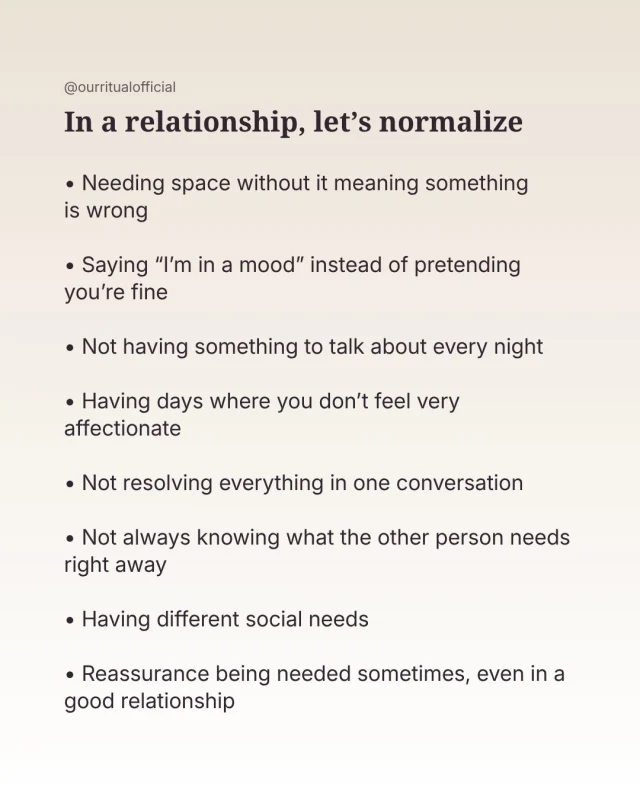
Another heartbreaking barrier is the fear of not being able to meet your partner’s needs. Many couples assume they must have the same libido to satisfy each other. In sessions, it’s common to hear, “They want more than I do, so I’m failing them.” The truth is, couples do not need identical desires to stay connected. They need honesty, flexibility, and a clearer understanding of what the other person is actually asking for. Sometimes what looks like “I need sex” is really “I need to feel wanted” or “I need to feel like we still belong to each other.”
Still, intimacy can feel impossible at times. Beyond mismatched desire and timing, couples often face fear of rejection, difficulty being vulnerable, past trauma, attachment wounds, stress, and everyday fatigue. All of these create ripple effects that influence desire, connection, and how safe you feel with each other. Mismatched libido is one of the most common challenges seen in sessions, but it’s rarely the only one.
Intimacy in Different Life Stages and Contexts
Intimacy Without Kids
Intimacy without kids is often described as spontaneous, fantasy-filled, passionate lovemaking. There’s more time and emotional energy to explore each other’s desires and preferences. The focus is mostly on each other, so communication and intimacy happen with fewer interruptions.
Even then, couples hit roadblocks. Intimacy can become less of a priority because time feels abundant. Work and life stress can still impact connection. Staying connected still requires intention. The couples who do best in this stage usually keep choosing each other on purpose. They keep it fresh by prioritizing intimacy, exploring wants and desires, and making time that is not just “hanging out in the same room.”
Intimacy With Kids
After kids arrive, couples often put their sex life on the back burner. Time, exhaustion, shifts in desire, postpartum recovery, and the sheer logistics of parenting are real. I hear “We’re always tired” almost daily.
Barriers here are predictable. Feeling touched out. Sex is starting to feel like another task instead of a point of connection. Less privacy. More fatigue. Less spontaneity.
And yet, many couples have incredible intimacy after kids. They will say, “Life is more stressful, but we still prioritize ourselves because we’re the foundation of the household.” That mindset matters.
The truth is, kids, don’t kill intimacy. Resentment does. Avoiding the hard conversation does. The hardest years are often when the kids are babies, but that season doesn’t last forever. Planning and communicating about your love life, understanding wants and needs, and sharing the intimacy load are practical ways couples protect their connection during this stage.
The Science of Emotional Intimacy: What's Happening in Your Brain and Body
Your brain doesn’t distinguish much between emotional and physical pain. Both activate similar regions. When you feel emotionally disconnected, your body can respond as if you’re under threat. That is why a cold tone or repeated rejection can feel bigger than the moment itself. It hits the nervous system.
Long periods of emotional stress affect more than just your mood. They affect the body. When people feel disconnected or tense with their partner, stress hormones like cortisol increase, which can interfere with hormones that support desire and bonding.
This helps explain why couples often notice that both emotional closeness and physical affection start to decline during rough patches.
The hopeful part is that the opposite pattern can happen, too. As couples rebuild emotional connection, physical intimacy often returns on its own. Not because they pushed themselves into it, but because the relationship starts to feel safer again.
When partners consistently listen, show care, and allow vulnerability, the emotional atmosphere of the relationship shifts. Over time, that change influences how the brain and body respond to closeness with that person.
How to Build Emotional Intimacy: Start Here
Building emotional intimacy isn’t about grand romantic gestures or expensive date nights. In real long term relationships, it’s about repeated moments where your partner feels, “You get me. You’re with me.”
Start with emotional safety. Your partner needs to know they can share thoughts, fears, and dreams without judgment or immediate fixing. In sessions, I often pause couples right here, because “fixing” is usually well-intentioned, but it can feel like dismissal. Listening to understand is a different kind of care.
Emotional intimacy grows through small, repeated actions. Asking about their day and actually listening. Sharing something vulnerable about your own experience. Offering comfort during stress without turning it into a problem to solve. Remembering details that matter to them. Expressing appreciation for who they are, not just what they do.
The key is consistency. One deep conversation doesn’t build emotional intimacy, but five minutes of genuine connection every day transforms relationships over time.
Daily Practices for Building Emotional Intimacy
Morning check-ins set the tone. Before the logistics, take two minutes and ask how your partner is feeling about the day ahead. That simple question often softens the whole day.
Evening gratitude helps couples land. Share one thing you appreciated about your partner and one thing you appreciated about the relationship that day. Some couples find this cheesy at first, then realize it changes what they look for during the day.

Device-free conversation time matters more than people think. Choose 15 to 30 minutes where phones go away and attention returns. If you do nothing else, do this.
Vulnerability sharing deepens bonds. Once a week, share something real. A childhood memory. A worry you’ve been carrying. A hope for the future. This isn’t about being dramatic. It’s about being known.
These practices work because they create predictable opportunities for connection, even during busy periods.
Creating Safe Spaces for Emotional Vulnerability
For vulnerability to happen, people have to feel safe. Your partner needs to feel they can share something personal without being criticized, dismissed, or corrected immediately.
Many couples struggle right here. One person opens up, and the other quickly moves into solution mode. The intention is usually good. Still, when someone is hurting, they often need to feel heard before they are ready to think about fixing anything.
Small responses can make a big difference. Phrases like “At least…” or “You should…” tend to shut conversations down. Something as simple as “That sounds really tough” or “I can understand why that would feel upsetting” often keeps the door open.
Trust also grows when private moments stay private. If your partner shares something vulnerable, protecting that confidence helps maintain emotional safety in the relationship. When that trust gets broken, people tend to pull back.
Validation matters too. You do not have to fully agree with your partner’s perspective to recognize that their feelings make sense to them.
When people feel accepted instead of judged, they usually start to share more of who they really are. Over time, that openness is what strengthens emotional closeness.
Rebuilding When Intimacy Problems Develop
Rebuilding relationship intimacy requires patience and realistic expectations. If you’ve been disconnected for months or years, don’t expect instant results. Focus on small, consistent improvements. Seven in ten couples dealing with intimacy challenges say the need to address it is urgent — and what they most want is more affection and touch, not a complete relationship overhaul. That's an achievable goal. The right support makes it happen faster.
Start with emotional connection, even if physical intimacy is the main concern. Physical intimacy without an emotional foundation often feels empty and unsustainable.
Address underlying issues. If stress, health problems, or past hurts are contributing, work on those alongside the relationship. Sometimes, individual support helps partners show up better.
Create new patterns. Instead of trying to recreate the early relationship exactly, build intimacy that fits your current life stage.
Seek support when needed. Some intimacy problems benefit from professional guidance. Platforms like OurRitual offer expert-led sessions and personalized tools to help couples rebuild connection in a supportive, flexible environment.
The timeline for rebuilding often looks like this: emotional connection improves first with consistent effort over a few weeks, then physical intimacy tends to follow as safety increases.
10 Tips for Building Emotional Intimacy in a Relationship
- Communicate openly and honestly. Most couples do not struggle because they never talk. They struggle because they don’t talk about what matters, or they don’t feel safe enough to be honest. Vulnerability is what creates emotional intimacy. Start small and stay consistent.
Where to begin: Choose a time to talk when you are not already activated. Commit to listening, not debating.
- Practice active listening. Many couples hear each other, but don’t feel understood. Active listening is when your partner can feel your attention. It includes reflecting back on what you heard and checking if you got it right.
Where to begin: Put distractions away. Maintain eye contact. Summarize what you heard before responding.
- Cultivate empathy. Empathy is not agreement. It’s showing your partner that their feelings make sense. When empathy increases, defensiveness decreases.
Where to begin: Try a simple phrase like, “I can understand why that would feel hard.”
- Share personal goals and dreams. Emotional intimacy grows when couples share their inner world, not just their schedule. Future talk creates a sense of unity.
Where to begin: Ask, “What are you hoping for this year?” and answer it yourself, too.
- Engage in meaningful rituals. Rituals create a reliable connection. A morning coffee, a weekly date, a bedtime check-in, a monthly adventure. These routines become anchors.
Where to begin: Pick one ritual that feels realistic rather than aspirational.
- Show affection and appreciation. Appreciation keeps the relationship warm. Affection keeps the relationship close. Couples often underestimate how much daily tenderness matters.
Where to begin: Give one genuine compliment daily and one affectionate touch that is not a prelude to sex.
- Be mindful of nonverbal cues. Tone, posture, facial expression, and timing shape emotional safety. A loving message said with an irritated tone still lands as irritation.
Where to begin: Notice how you look at your partner when they speak, and soften your face.
- Prioritize quality time. Quality time is less about big plans and more about presence. Couples can be in the same room for hours and still feel disconnected.
Where to begin: Choose a short window where you are fully present, even 15 minutes.
- Explore shared interests. Shared activities create shared identity. They remind couples that they are more than co-managers of a household.
Where to begin: Revisit something you used to enjoy together, or try something new and low-pressure.
- Get professional support when needed. If you keep running into the same wall, support can help you understand what’s happening underneath. A relationship expert can help you work with your patterns, not just argue about the surface issue.
Where to begin: Find a therapist or relationship coach who understands your needs. If scheduling is hard, online relationship support through OurRitual can make consistency easier.
Emotional Intimacy Exercises You Can Try Together
Non-verbal connection exercises are a fantastic place to start because they reduce the pressure to say the perfect thing.
Eye gazing
Sit facing your partner, knees touching if you can. Put on soft music. Look into each other’s eyes for five minutes. It may feel awkward at first. Give it time.
When we look away, we disconnect. When we truly see each other, it becomes easier to empathize and reconnect. The person you fell in love with is still there. This kind of moment helps couples find each other again.
Daily touch ritual
Once a day for two minutes, choose one:
A long hug or kiss. Holding hands. Tracing fingertips on your partner’s arm. A short message. The goal is to reintroduce closeness gently.
Conclusion
Building emotional intimacy creates the foundation for physical connection, and physical affection strengthens emotional bonds. This interconnected cycle forms the core of satisfying long-term relationships.
Remember these essential points. Emotional safety enables physical vulnerability. Small, consistent actions build stronger intimacy than sporadic grand gestures. Addressing intimacy problems early prevents deeper disconnection and resentment. Professional support can help when couples feel stuck or overwhelmed.
Your next steps can stay simple. Choose one daily emotional intimacy practice to implement this week. Increase non sexual physical touch with a few intentional moments each day. Schedule a conversation about your physical relationship outside the bedroom. Address underlying stressors or health issues that may be affecting the connection.
Intimacy isn’t a destination. It’s an ongoing practice that requires attention and intention from both partners. When couples commit to building both emotional and physical connection, they create a relationship that can weather life’s challenges and grow stronger over time.
If you are struggling to rebuild emotional intimacy, improve physical connection, or feel distant from your partner, OurRitual offers exclusive content to help you grow and learn. In parallel with your weekly Expert sessions, all OurRitual members are assigned to a Pathway, a series of videos, therapy exercises, and tools designed to help you maximize progress between sessions.